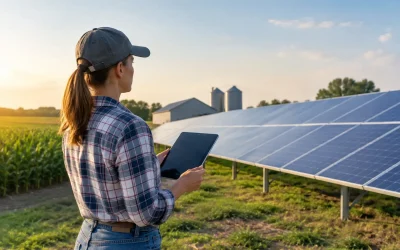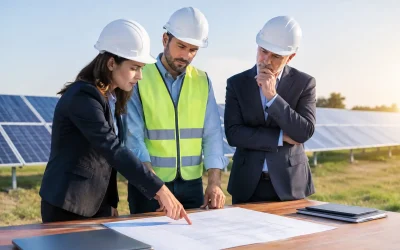
A solar project on a farm has to work around more than a utility bill. It may need to protect irrigated acreage, keep livestock areas accessible, support grain drying or cold storage, and fit a tight seasonal work calendar. That is why the fastest way to find agricultural solar contractors is to look beyond a general solar sales pitch and focus on providers with experience planning systems for working agricultural operations.
The right contractor can help you evaluate whether solar makes financial sense, identify the best location for panels, and build a system around your actual energy needs. The wrong fit can lead to a design that looks good on paper but creates unnecessary operational headaches.
Start With Your Farm’s Energy Goals
Before requesting quotes, get clear about what you want solar to accomplish. Some operations want to reduce the electrical cost of irrigation pumps during high-demand months. Others need to offset energy use from dairy equipment, poultry houses, barns, cold storage, processing equipment, or employee facilities.
Pull at least 12 months of utility bills so contractors can see your annual consumption, demand charges, rate structure, and seasonal peaks. If your electric use changes significantly by season, explain why. A contractor who understands agricultural solar will not size a project from one low-use winter bill or make assumptions about a farm’s load profile.
It also helps to think ahead. Are you adding a new barn, expanding a greenhouse, installing more refrigeration, or converting equipment to electric power? Solar systems are long-term investments, so a design should account for realistic growth plans when possible.
Where to Find Agricultural Solar Contractors
A directory built for multiple project types can shorten the search. Use Solar Contractors to request consultations and compare local providers that serve agricultural projects. You can also ask neighboring producers, farm managers, equipment dealers, agricultural lenders, and local cooperative contacts which installers have completed projects in your area.
Your utility may be another useful source. While a utility generally will not choose a contractor for you, its interconnection team can often explain local requirements and point you toward installers familiar with the process. This matters when a project has larger capacity, complex metering, or a lengthy approval timeline.
Do not limit the search to the closest company. Local knowledge is valuable, particularly for permitting, utility rules, weather conditions, and service response. Still, a qualified regional contractor with a strong agricultural track record may be a better choice than a nearby installer that works almost entirely on small residential rooftops.
Look for relevant project experience
Agricultural solar is not one single project category. A contractor that has installed a few rooftop systems may be capable, but you should ask whether they have worked with needs similar to yours. Relevant experience might include ground-mounted arrays, metal-roof barns, livestock facilities, irrigation loads, three-phase service, battery storage, or large commercial utility accounts.
Ask for examples of comparable projects and what challenges they solved. A useful answer should go beyond the number of panels installed. For example, the contractor should be able to explain how they handled access roads, drainage, shading, roof condition, equipment clearances, utility coordination, or construction around planting and harvest.
Compare More Than the Bottom-Line Price
Three quotes can reveal a lot, but only if each proposal addresses the same goals. One contractor may quote a smaller system with a lower upfront cost. Another may recommend greater capacity because your historical usage, future expansion, or available incentives support it. Neither approach is automatically right.
Ask each provider to present the expected annual production, the system size, proposed equipment, layout, estimated installation schedule, warranty coverage, and assumptions used in savings projections. You should also understand whether the price includes permitting, interconnection applications, engineering, structural work, trenching, monitoring, and any necessary electrical upgrades.
A lower bid can be attractive, especially when capital is needed for equipment, seed, feed, or labor. But a proposal that leaves out site work or uses vague production estimates may cost more later. Look at value over the expected life of the system, not simply the price listed on page one.
Questions to ask every contractor
During a consultation, ask direct questions that help you compare contractors on practical terms:
- How many agricultural or commercial solar projects have you completed?
- Have you designed systems for equipment and loads similar to ours?
- Who handles permits, utility interconnection, and incentive paperwork?
- What site work, electrical upgrades, or roof repairs could add to the quoted price?
- How will construction be scheduled to minimize disruption to farm operations?
- What warranties, monitoring, maintenance options, and service support are included?
Pay close attention to how clearly the contractor answers. A good provider will explain technical details in plain language, identify unknowns early, and avoid promising savings that cannot be supported by your utility data and site conditions.
Evaluate the Site Before You Commit
The best location for solar depends on the property. A south-facing barn roof can be efficient and convenient, but only if the roof has enough remaining life, can support the equipment, and is not heavily shaded. A ground mount may offer better orientation and easier maintenance, but it requires land, setbacks, drainage planning, and protection from vehicle traffic or livestock.
For some farms, using lower-value or irregular land can preserve productive acreage. For others, placing an array near an existing electrical service reduces trenching and installation costs. There are real trade-offs. The most productive solar location is not always the lowest-cost location, and the easiest location to build may interfere with future farm expansion.
Ask the contractor to walk the property or review detailed aerial and site information before finalizing the proposal. Early site assessment should address shading from trees, silos, grain legs, and nearby structures, as well as snow load, wind exposure, soil conditions, drainage, and access for construction equipment.
Understand Incentives Without Building the Project Around Them
Federal tax incentives and certain state, utility, or local programs can improve the economics of a solar project. Agricultural businesses may also have financing options that help preserve working capital. Eligibility, deadlines, and funding availability can change, so treat incentive estimates as part of the decision rather than the entire decision.
A capable contractor can explain which programs may apply and what documentation is needed. Your tax professional, lender, or financial adviser should confirm the business and tax implications for your operation. This is especially helpful when ownership structures, depreciation, grants, leases, or power purchase arrangements are involved.
The core question remains simple: does the system deliver sensible value based on your energy use, expected production, installation cost, and long-term operating plan? Incentives can strengthen a good project. They should not rescue a poorly sized or poorly located one.
Confirm the Contractor’s Process and Support
Solar is a construction project, an electrical project, and a utility project at the same time. Before signing, make sure you know who is responsible for each phase and when you will receive updates. The contractor should provide a written scope of work, payment schedule, project timeline, equipment details, and warranty terms.
Ask what happens if the utility requires changes or if site conditions differ from the original plan. Confirm who will be your point of contact after installation, how monitoring alerts are handled, and whether the company provides ongoing service in your area. A system that is underperforming during irrigation season can affect more than a monthly bill, so dependable support matters.
It is also wise to verify licensing, insurance, and references before making a final choice. Speak with past customers if possible, especially those with operational needs similar to your own. Ask whether the work was completed on schedule, whether the final cost matched the agreement, and how the contractor handled follow-up questions.
A well-planned solar project can reduce operating costs, improve energy predictability, and support the long-term value of your farm. Start with your actual energy needs, compare detailed proposals, and choose a contractor that understands the demands of agricultural work. Request a free consultation when you are ready to turn your utility data and property goals into a practical solar plan.