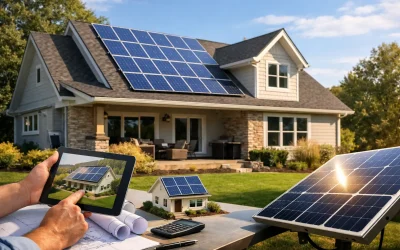
If you are pricing solar for a home, business, farm, or public facility, one question usually comes up fast: how long will this actually take? The solar installation timeline is rarely just about mounting panels in a day or two. The real schedule includes design, permits, utility approvals, inspections, and final activation, and each step can move quickly or slow down depending on your property and local requirements.
That is why realistic expectations matter. A project can feel simple at the quote stage, then stretch because of paperwork, equipment lead times, roof issues, or utility coordination. Knowing what happens before and after installation helps you compare contractors more clearly and avoid surprises that affect budget, operations, or move-in plans.
A typical solar installation timeline
For many US projects, the full solar installation timeline runs anywhere from one to three months. Straightforward residential jobs may land near the shorter end. Commercial, agricultural, and government projects often take longer because they involve larger systems, more stakeholders, more engineering review, and stricter approval processes.
The actual on-site install is usually one of the shortest parts. A residential system may be physically installed in one to three days. A larger commercial rooftop, ground-mount farm system, or public-sector project can take several days to several weeks. The longer waits usually happen before and after crews arrive.
Stage 1: Consultation and site evaluation
This is where the project starts to become real. You speak with one or more contractors, share your electric usage, discuss goals, and review your property. For a homeowner, that may mean roof age, shading, and panel placement. For a business or farm, it may also include load profiles, operational hours, future expansion, and available land or roof space.
This phase can take a few days or a couple of weeks, depending on how quickly information is gathered. If decision-makers are aligned and utility bills are easy to access, things move faster. If there are multiple stakeholders, leased property issues, structural questions, or unclear energy goals, it can take longer.
A good contractor will use this stage to set honest expectations instead of rushing to a proposal. That matters because a fast quote is not always a fast project. If you are comparing bids, look at how clearly each provider explains timing, not just price.
Stage 2: System design and proposal approval
Once your property details are reviewed, the contractor develops a system design. This includes panel layout, inverter selection, estimated production, and projected savings. On larger projects, the design may also include electrical upgrades, trenching plans, transformer considerations, or battery integration.
This step can move quickly on a standard residential roof. It may take more time if the roof is complex, the building is older, or the system must work around operational constraints. Commercial and institutional buyers should expect more review here because procurement standards, board approvals, engineering signoff, or financing terms can add time.
The key trade-off is speed versus accuracy. A contractor who carefully validates your design now may save weeks later by reducing permit revisions or installation changes.
Stage 3: Permits and utility approval
For many projects, this is the biggest variable in the timeline. Local permitting offices have different requirements, review speeds, and inspection schedules. Utilities also have their own interconnection process, and that can be simple for a small residential system or more involved for larger commercial and agricultural installations.
In some areas, permits come through in days. In others, it can take several weeks. If your jurisdiction is busy, requires stamped engineering plans, or asks for resubmissions, the schedule can stretch. Utility approval may also take longer if the grid in your area has capacity limitations or if the project needs extra technical review.
This is one reason contractor experience matters. A team that knows the local permit office and utility process can often spot issues before they turn into delays. If you want fewer surprises, ask how often the installer works in your city or county and whether they handle all permit and interconnection paperwork.
Stage 4: Equipment ordering and scheduling
After approvals begin or come through, equipment is finalized and installation is scheduled. For standard systems, panels and inverters may be readily available. For premium brands, battery storage, specialized racking, or larger commercial equipment, lead times can be longer.
This stage is easy to underestimate because supply chain issues do not always show up in the proposal. A system can be approved on paper but still wait for specific components. If you are trying to install before a tax deadline, facility opening, harvest cycle, or capital budget cutoff, equipment availability should be part of the conversation early.
Weather can also influence scheduling. Rain, snow, high winds, and extreme heat can shift rooftop and ground-mount work. Contractors usually build some flexibility into the calendar, but not every delay is avoidable.
Stage 5: Installation day or installation week
This is the visible part of the project, and often the fastest. For a typical home, the crew may complete the work in one to three days. If the service panel needs an upgrade, roof repairs are required, or a battery is being added, it could take longer.
For commercial, agricultural, or government projects, installation can range from several days to multiple weeks. The schedule depends on system size, site access, trenching needs, structural requirements, and whether work must be coordinated around business operations or public use.
Good contractors plan this phase to minimize disruption. That may mean staging materials carefully, coordinating shutoffs, protecting active work areas, and communicating daily progress. If you run a business, manage a public site, or operate a farm, ask upfront how the install crew will work around your schedule.
Stage 6: Inspection and permission to operate
After installation, the system usually needs a final inspection from the local authority. Then the utility must grant permission to operate, often called PTO. This final step is where some projects pause, even though the panels are already on the roof or in the field.
Inspection timing depends on local availability. Some jurisdictions schedule quickly. Others have a backlog. If the inspector requests a correction, the contractor has to address it and may need a reinspection. Once local approval is complete, the utility reviews the file and authorizes system activation.
For homeowners, this last wait can feel frustrating because the project looks finished. For commercial and public-sector buyers, it is a reminder that project completion and energy production are not always the same date. If your contractor gives you a timeline, ask whether it ends at installation or at PTO.
What can slow the solar installation timeline?
A few issues come up often. Roof repairs are a common one for residential properties. If the roof is near the end of its life, it may make sense to replace it before solar goes up. That adds time, but it can prevent a more expensive panel removal and reinstallation later.
Electrical upgrades are another factor. Some buildings need a new main panel, service changes, or other code-related improvements before solar can be connected safely. Older commercial properties, barns, and public buildings may need more electrical review than expected.
Paperwork can also slow things down. HOA review, financing approval, procurement procedures, grant documentation, or internal signoff from multiple departments can add days or weeks. Larger buyers often assume the contractor is the only time variable, but internal approvals matter too.
Then there is utility coordination. Interconnection rules vary widely, and bigger systems face more scrutiny. That does not mean the project is a bad fit. It simply means the timeline should match the scale and complexity of the system.
How to keep your project moving
The simplest way to protect your timeline is to choose a contractor who communicates clearly from the start. Look for realistic scheduling, not optimistic promises. A credible installer should explain the likely path, the known risks, and the steps they control versus the steps controlled by your local authority or utility.
You can also help by having recent utility bills ready, responding quickly to design and contract questions, and disclosing issues early, such as roof age, site access limits, or planned property changes. If your project involves several decision-makers, align them before the proposal stage so approvals do not stall later.
Comparing multiple quotes is useful here because it reveals more than pricing. It shows who asks smart questions, who understands your property type, and who has experience with projects like yours. If you are evaluating providers, Solar Contractors can help you Find A Contractor and request a Free Consultation so you can compare timelines, scope, and fit in one place.
What timeline should you plan for?
If your project is straightforward, plan for about one to three months from signed agreement to activation. If it is a larger commercial, farm, municipal, or institutional install, expect a longer window and ask for a project-specific schedule that includes design, permits, installation, inspection, and PTO.
The right expectation is not the shortest one. It is the one that accounts for your property, your jurisdiction, and your goals. Solar is still one of the smartest long-term upgrades you can make, but the best projects start with a clear timeline, a qualified installer, and enough breathing room to do the job right.