A dairy with high cooling loads does not have the same solar needs as a row crop operation running irrigation pumps all summer. That is why the best solar options for farms usually depend on how your operation uses electricity, how much land or roof space you have, and how you want the project to pay back over time.
For many farm owners, solar is less about chasing a trend and more about controlling a cost that never seems to go down. Utility rates rise, equipment gets more expensive to run, and seasonal demand can make power bills hard to predict. A well-planned solar project can help smooth those costs, protect margins, and make the property more attractive for the long term.
What makes a solar setup right for a farm?
The best farm solar system is not always the biggest one. It is the one that matches your load profile, site conditions, and budget. Farms often have unique usage patterns, with heavy daytime demand from irrigation, ventilation, refrigeration, grain drying, or shop equipment. That can make solar a strong fit because panels produce during daylight hours when many agricultural loads are active.
Still, there are trade-offs. A system that offsets most of your annual usage may require more land, more upfront capital, and a longer installation timeline. A smaller system may be easier to approve and finance, but it will leave more of your electric bill in place. The right answer depends on whether your priority is maximum savings, fast payback, backup power, or room to expand later.
Best solar options for farms by system type
Rooftop solar on barns, sheds, and outbuildings
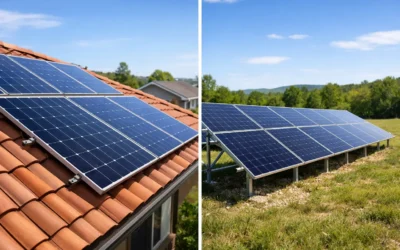
Rooftop solar is often the first option farms consider, and for good reason. Barns, machine sheds, livestock buildings, and storage structures can provide a large amount of usable roof area without taking productive acreage out of service. If the roof is in good condition and has favorable sun exposure, rooftop panels can be a practical way to generate power close to where it is used.
This option tends to work well for farms that already have substantial building space and want to avoid site disruption. It can also simplify land-use concerns compared with a ground-mounted array. The main limitation is structural condition. Older farm buildings may need reinforcement or roof replacement before installation, which changes the economics. Shade from nearby silos, trees, or adjacent structures can also reduce performance.
Ground-mounted solar for maximum flexibility
If your farm has open space with strong sun exposure, ground-mounted solar may be one of the best solar options for farms with larger energy demand. Ground-mount systems give installers more freedom to position panels at the best angle and orientation. They are also easier to access for maintenance and future expansion.
This approach is often a good match for farms with high annual consumption, especially where rooftops are limited or poorly oriented. You can size the system around your actual loads rather than the amount of roof space available. The trade-off is that ground-mount systems require dedicated land, trenching, and often more site work. On active agricultural property, the layout needs to account for vehicle access, drainage, livestock movement, and future use of the area.
Solar carports and equipment-cover structures
Some farms need shade or covered space as much as they need solar generation. In those cases, a solar canopy over parking, equipment storage, or work areas can pull double duty. These systems are less common than rooftop or ground-mount arrays, but they can make sense on properties where usable roof space is limited and preserving open land matters.
They usually cost more per watt because the structure itself is part of the project. But if you already need a covered area for vehicles, loading zones, or staging, the added value can justify the price.
Solar water pumping systems
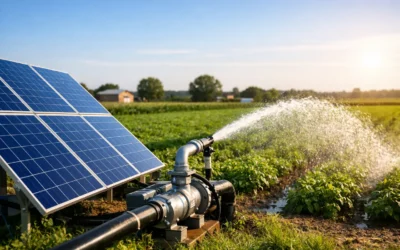
For farms that rely on pumping water for livestock or irrigation in remote areas, stand-alone solar pumping can be a smart targeted investment. Instead of offsetting your whole utility bill, these systems power a specific job. That can be especially useful where extending utility service would be costly or where diesel pumping is eating into operating margins.
A solar pump system is not the same as a full property solar installation, and it will not fit every operation. Water demand, pump size, elevation change, and seasonal use all matter. But for the right application, it can cut fuel costs and reduce maintenance compared with generator-based setups.
Solar plus battery storage
Battery storage is getting more attention from farm owners, especially in areas with unreliable grid service or demand charges. Solar alone reduces purchased electricity. Solar plus storage adds another layer by helping you keep critical equipment running during outages or shift some usage away from expensive rate periods.
This can be valuable for poultry houses, dairies, cold storage, controlled environments, and any operation where downtime has immediate consequences. Batteries do increase project cost, so they are not always necessary if your goal is simple bill reduction. But if resilience matters, storage can move from optional to essential.
How to choose among the best solar options for farms
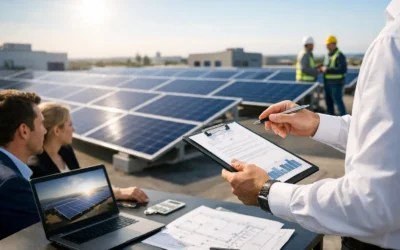
Start with your power bill, not the panels. A contractor should review at least 12 months of usage to understand how much electricity you use, when you use it, and whether your farm has seasonal spikes. That information helps determine whether rooftop, ground-mount, or a mixed system makes the most sense.
Next, look closely at your site. Roof age, available acreage, soil conditions, shading, and distance to interconnection all affect project cost. A farm with plenty of open land but a long trenching run may end up with different economics than a farm with excellent barn roofs located next to the main service panel.
Then consider your operating priorities. If the main goal is lowering monthly utility costs, grid-tied solar without batteries may deliver the strongest return. If business continuity matters during outages, storage or a hybrid setup may be worth the extra investment. If your operation is growing, you may want a system design that allows phased expansion rather than trying to build everything at once.
Cost, incentives, and payback
Farm solar economics can be strong, but they are never one-size-fits-all. System cost depends on size, equipment, labor, interconnection requirements, and whether structural or electrical upgrades are needed. Ground-mount projects may cost more because of foundations and site work, while rooftop systems can become more expensive if the building needs reinforcement.
The good news is that many agricultural projects can benefit from federal tax incentives and, depending on location and project details, state or utility programs. Depreciation may also improve the financial picture for eligible farm businesses. These incentives can significantly reduce net project cost, which is why getting accurate quotes matters. A price that looks high at first glance may pencil out much better once incentives and long-term savings are included.
Payback periods vary, but many farm owners focus on two questions: how much cash the system saves each year and how long it takes to recover the upfront investment. A quality contractor should be able to model both clearly and explain what assumptions were used.
Why installer experience matters on agricultural projects
Farm installations are not the same as suburban residential jobs. Agricultural properties often involve multiple meters, older electrical infrastructure, outbuildings spread across a large site, and operational constraints that affect scheduling and design. An installer who understands agricultural applications is more likely to spot issues early and recommend the right system size and layout.
That is also why quote comparison is worth your time. Two contractors may recommend very different system types for the same property. One might push a roof-only design because it is simpler to install, while another may show that a ground-mount array produces more value over time. Seeing multiple proposals helps you compare price, production estimates, warranties, timelines, and financing options side by side.
If you are early in the process, this is where a directory platform can save time. Solar Contractors helps farm owners connect with installers who understand agricultural projects, so you can compare options without starting from scratch with every search.
A practical way to move forward
If you are evaluating the best solar options for farms, begin with the parts of your operation that use the most electricity and cost the most to keep running. That is usually where solar delivers the clearest value. From there, match the system type to your property, your budget, and how much flexibility you need for future growth.
The right farm solar project should feel like a business decision, not a gamble. Get a few qualified opinions, ask direct questions, and look for a setup that fits the way your farm actually works. When the design is right, solar can do more than trim utility bills. It can give your operation more control over one of its most unpredictable costs.