A solar project can look simple on paper until permits enter the picture. Panels, inverters, savings projections, and tax credits get most of the attention, but the approval phase often determines how fast your system moves from quote to power production. This solar permitting process guide explains what usually happens, where delays come from, and how to keep your project on track whether you are planning for a home, business, farm, or public facility.
Permitting is the local review process that confirms your solar installation meets building, electrical, fire, and utility requirements. In most cases, your installer handles the paperwork, but you still benefit from knowing what is being reviewed and why. When you understand the process early, it is easier to compare contractors, ask better questions, and avoid surprises that affect schedule or budget.
What the Solar Permitting Process Guide Should Help You Answer
Most buyers want three practical answers. How long will this take, what could slow it down, and what do I need to do personally?
The honest answer is that it depends on your jurisdiction, your property, and the type of system being installed. A straightforward residential rooftop project in a permit-friendly area may move quickly. A commercial system, ground-mount array, agricultural installation, or public-sector project can involve more departments, more documentation, and more review time.
That does not mean the process is unmanageable. It means the right installer matters. A contractor who regularly works in your city or county will usually know local submittal rules, utility expectations, and inspection habits. That local experience can save real time.
The Main Stages of the Solar Permitting Process
Most solar projects follow a similar path, even if the exact forms and agencies change by location.
Site Evaluation and System Design
Before permits are submitted, the installer gathers the details needed to design the system. For a home, that usually includes roof measurements, structural considerations, panel layout, service panel information, and recent utility usage. For a commercial or agricultural project, the review may also include demand patterns, equipment loads, parking canopies, available land, or multiple buildings.
This stage matters because incomplete or inaccurate design documents are a common reason permits stall. If the proposed system does not match the property conditions, the jurisdiction may ask for revisions. That can add days or weeks depending on how quickly updates are made.
Permit Application Submission
Once the design package is ready, the installer submits it to the local authority having jurisdiction, often the city or county building department. Depending on the project, submissions may include plan sets, engineering documents, equipment specifications, structural calculations, electrical diagrams, and permit applications.
Some areas have moved to online portals and standardized checklists. Others still rely on manual review or have more fragmented requirements. For the property owner, the key question is simple: who is preparing and submitting the package, and how often do they work with this jurisdiction?
Plan Review
The permitting office reviews the submitted materials to confirm code compliance. Building officials may focus on roof loads and attachment details. Electrical reviewers may look at wiring methods, disconnects, labeling, and service panel compatibility. Fire reviewers may check access pathways and setbacks, especially for rooftop systems.
If the reviewer identifies issues, the permit can come back with comments. That is normal. A good installer responds quickly, revises the plans, and resubmits. A less organized contractor may let comments sit, which turns a routine correction into a frustrating delay.
Utility Interconnection Application
Permitting and utility approval are related, but they are not always the same thing. Your local utility typically needs to approve interconnection before the system can operate. That review confirms the solar installation can connect safely to the grid and may include meter requirements, production estimates, and equipment details.
For larger commercial or institutional systems, the utility review can be more involved. That is especially true if transformer upgrades, service changes, or capacity constraints are in play. In those cases, permit approval alone does not guarantee a quick activation date.
Installation and Inspection
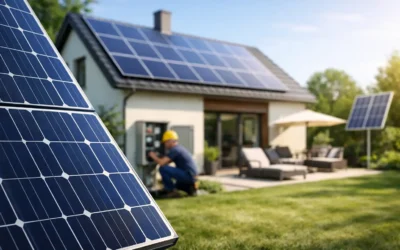
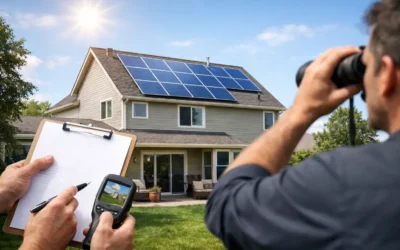
After permits are approved, installation can begin. Once the work is complete, the jurisdiction usually performs an inspection. The inspector checks that the installed system matches the approved plans and meets applicable codes.
If the inspection passes, the utility can complete the final steps for permission to operate. If it does not pass, the installer must correct the issue and schedule a reinspection. Most inspection failures are fixable, but they still cost time.
Common Delays and How to Reduce Them
The biggest mistake buyers make is assuming every solar project follows a predictable two-week script. Some do. Many do not.
One common delay is incomplete paperwork. Missing signatures, outdated utility bills, unclear site photos, or inconsistent plan details can trigger review comments. Another is panel or electrical service limitations that were not identified early. If your roof needs repairs first, or your main panel requires an upgrade, the schedule can shift fast.
Local backlog is another factor. Some jurisdictions process solar permits quickly because they review them every day. Others handle them alongside all other construction permits and move more slowly. Utility review times also vary. If your contractor gives you a timeline, ask whether it reflects typical local conditions or best-case assumptions.
You can help by providing requested documents quickly, confirming property access, and disclosing known issues upfront. For commercial, farm, and government projects, it also helps to identify internal decision-makers early so contracts, approvals, and signatures do not get stuck between departments.
Residential vs. Commercial vs. Agricultural Projects
A home system is usually the most straightforward permitting scenario, but even residential jobs can get more complex if the roof is older, the electrical panel is undersized, or local fire access rules are strict.
Commercial projects often face additional scrutiny because of larger system size, structural loads, and more complex electrical infrastructure. A warehouse, office, retail center, or multifamily property may also involve landlord-tenant considerations, demand charges, and insurance requirements that influence design and approval timing.
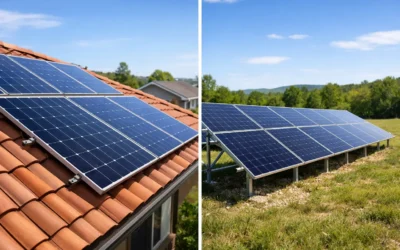
Agricultural projects can be especially site-specific. A barn roof, ground-mount system near fields, or solar installation tied to irrigation loads may trigger unique zoning, land-use, or utility questions. Rural utility territories can also vary widely in interconnection speed.
Government and institutional buyers often deal with a second layer of process beyond permitting itself. Procurement rules, board approvals, public bidding requirements, and internal legal review can add time before a permit package is ever submitted. That does not make solar less attractive. It just means the schedule should be planned realistically.
Questions to Ask Before You Sign With an Installer
A strong contractor will not treat permitting like a footnote. They should be able to explain who handles the plans, what local approvals are required, and where your project could hit friction.
Ask how many projects they have permitted in your city or county within the last year. Ask whether they manage utility interconnection in-house. Ask what documents they need from you and what their average approval timeline looks like for similar properties.
You should also ask what is not included. Some quotes cover standard permitting but exclude structural upgrades, service panel replacements, civil engineering, or special zoning approvals. That does not mean the bid is bad. It means you need clarity before the project starts.
Why Permit Experience Matters as Much as Price
A lower quote can lose its advantage if the installer is slow to submit paperwork, unfamiliar with local code preferences, or weak at resolving review comments. Solar savings start when the system is operating, not when the contract is signed.
That is why comparing contractors should go beyond equipment brands and system size. Process matters. Communication matters. Local track record matters. An installer with a strong permitting workflow can often provide a smoother experience, even if their proposal is not the cheapest on the page.
If you are comparing options, this is where a directory platform can save time. Instead of starting from scratch, you can look for contractors that match your property type and request a Free Consultation to understand both installation scope and approval timelines before making a decision.
A Smarter Way to Approach the Solar Permitting Process Guide
The best use of a solar permitting process guide is not to turn yourself into a code expert. It is to help you spot the difference between a contractor who has a clear plan and one who is winging it.
You want an installer who can explain the steps in plain English, set realistic expectations, and move quickly when a reviewer asks for changes. That kind of support matters whether you are adding panels to a home, lowering operating costs at a business, improving farm energy resilience, or planning a public-sector project with a long approval chain.
Solar is still a financially smart move in many parts of the US, but the path to savings runs through permits, inspections, and utility approval. If you treat that part of the project seriously from the beginning, you give yourself a much better chance of getting installed faster and with fewer surprises. When you are ready, Find A Contractor who knows your local market and can turn a good solar plan into an approved one.