If you are comparing bids or wondering whether solar makes sense for your building, the first question usually is simple: how solar panel work, and will they produce enough power to justify the cost? The good news is that the basic idea is easier to understand than most people expect. Solar panels turn sunlight into electricity, and the rest of the system makes that electricity usable for your home, business, farm, or facility.
That sounds straightforward because it is. Where things get more interesting is in the details – what the panels produce, how that power moves through your system, and why two properties with similar roofs can end up with very different results.
How solar panel work in simple terms
A solar panel is made up of photovoltaic cells, often called PV cells. These cells are designed to capture energy from sunlight. When sunlight hits the cell, it excites electrons in the material and creates an electric current. That current is direct current, or DC electricity.
Most properties in the US use alternating current, or AC electricity, to run lights, appliances, office equipment, irrigation controls, refrigeration, and other daily loads. Because of that, the solar system also needs an inverter. The inverter converts the DC electricity from the panels into AC electricity that your property can use.
Once that conversion happens, the electricity flows into your electrical panel and is used by the building. If the system is producing more than you need at that moment, the extra power may go back to the grid if your utility allows net metering or a similar credit program. If the system is producing less than you need, your property simply pulls the difference from the grid.
That is the core process. Sunlight hits the panels, the panels produce DC power, the inverter changes it to AC power, and your property uses it.
What happens inside a solar panel
Most modern solar panels use silicon cells. Silicon is a semiconductor, which means it can conduct electricity under the right conditions. Manufacturers treat different layers of the cell so they create an electric field. When sunlight hits the cell, photons knock electrons loose. The electric field then pushes those electrons in a specific direction, creating current.
You do not need to memorize the physics to make a smart buying decision. What matters is knowing that solar production depends on available sunlight, panel quality, temperature, orientation, and shading. Panels do not need blazing heat to work. In fact, they work from light, not heat, and excessive heat can actually reduce efficiency.
This is one reason solar performs well in many parts of the country, not just the Southwest. A cooler, sunny climate can be excellent for production. A hotter climate can still produce strong results, but performance depends on system design and local conditions.
The parts that make solar usable
Panels get most of the attention, but they are only one piece of the system. A full solar installation usually includes racking, wiring, an inverter or microinverters, electrical disconnects, and monitoring equipment. Some systems also include batteries.
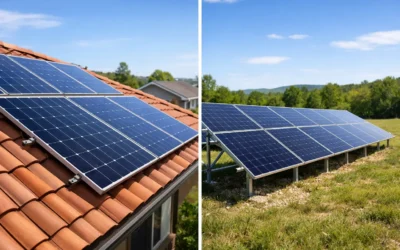
Racking secures the panels to a roof, ground mount, carport, or other structure. The mounting setup matters because panel angle and orientation affect output. South-facing systems often perform best in the US, but east- and west-facing roofs can still make financial sense depending on your rate structure and when your property uses power.
The inverter is especially important because it affects system performance and monitoring. With a string inverter, multiple panels feed into one central unit. With microinverters, each panel has its own inverter. Neither approach is automatically better for every project. String inverters can be more cost-effective, while microinverters can help in situations with partial shading or more complex roof layouts.
If you add battery storage, the system can store excess solar energy for later use. That can help with backup power, demand management, or reducing reliance on the grid during peak-rate periods. Batteries can add major value, but they also increase project cost, so the right fit depends on your goals.
How solar panels work with the grid
Most US solar systems are grid-tied. That means the property stays connected to the utility while also producing its own electricity. During sunny hours, your system offsets some or all of your power use. At night or during low-production periods, you use grid power as usual.
Many buyers assume solar means going fully off-grid. In reality, most residential and commercial systems are not designed that way. Going off-grid requires much more storage capacity, careful load planning, and often a backup generator. For the average property owner, grid-tied solar is the more practical and affordable option.
Your utility policy matters here. In some markets, exported energy earns strong bill credits. In others, compensation is lower, which can make battery storage or load shifting more attractive. This is one reason quotes from qualified contractors are so useful. A good installer is not just pricing panels. They are modeling system performance against your utility rules and usage profile.
Why output is different from one property to another
Two systems with the same number of panels may not produce the same amount of electricity. Roof pitch, roof direction, tree cover, nearby buildings, local weather, and panel type all affect production.
Usage patterns matter too. A household with most of its power use in the evening may value battery storage more than a household with daytime consumption. A commercial facility with steady daytime loads may be able to use a large share of solar production directly, which can improve the economics. Farms often have seasonal energy demands tied to irrigation, cooling, or processing equipment. Government and institutional sites may be balancing budget stability, resilience, and sustainability targets all at once.
That is why solar is not one-size-fits-all. The technology works in a consistent way, but the financial outcome depends on property-specific conditions.
How solar panel work for savings
Solar saves money by reducing the amount of electricity you buy from the utility. If your system is sized well, that reduction can be significant. Over time, savings can offset the upfront installation cost, especially when tax credits, depreciation, rebates, or local incentives are available.
For homeowners, the appeal is often lower monthly bills and improved property value. For businesses, the conversation usually centers on ROI, operating cost control, and long-term budgeting. Agricultural operators may also look at solar as a way to manage high energy loads across large properties. Public-sector and institutional buyers often weigh the added benefit of energy resilience and visible sustainability leadership.
Still, more panels do not always mean a better investment. Oversizing a system can reduce financial efficiency if your utility does not offer favorable compensation for exported power. Undersizing may leave too much savings on the table. The right system size is the one that matches your usage, site conditions, budget, and utility environment.
Common myths that can confuse buyers
One common misconception is that solar panels stop working on cloudy days. They still produce power, just less than they do in full sun. Another is that solar only works in hot climates. As mentioned earlier, light drives production, not heat.
Some buyers also worry that panels are too fragile for real-world conditions. Quality systems are built to handle rain, wind, and normal weather exposure. Local code requirements and engineering standards also play a role, especially in areas with snow, hurricanes, or high winds.
There is also a belief that all solar equipment is basically the same. It is not. Panel brands, inverter types, workmanship, warranty terms, and installation quality can all affect long-term performance. The contractor matters as much as the hardware.
What to look for before you move forward
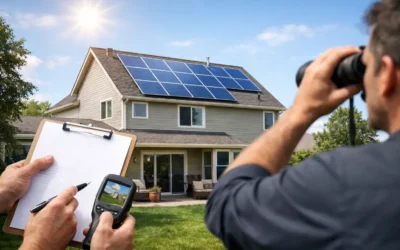
Understanding how solar panels work gives you a solid starting point, but it does not replace a site-specific evaluation. Before moving ahead, it helps to look at your recent electric bills, roof condition, available space, and any future changes in energy use. If you expect to add EV charging, electric heating, cold storage, or production equipment, that should factor into system planning now.
This is also the stage where comparing installers pays off. Different contractors may recommend different equipment, layouts, and system sizes based on your goals. If you are evaluating multiple options, ask how they estimated production, what assumptions they used for utility rates, and whether their design accounts for shading, roof age, and local permitting.
For buyers who want a simpler path, platforms like Solar Contractors can help narrow the field and connect you with professionals who understand residential, commercial, agricultural, and public-sector projects. That saves time and makes quote comparison a lot more practical.
Solar is not magic, and it is not guesswork either. It is a proven way to turn available sunlight into usable electricity and long-term savings when the system is designed well. If your property has good exposure and your energy costs are worth offsetting, the next smart move is not more theory – it is getting a Free Consultation and seeing what a qualified contractor recommends for your site.