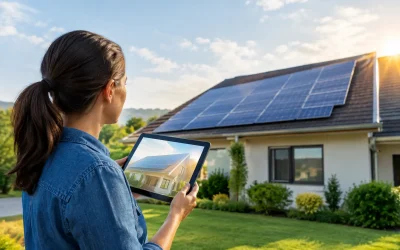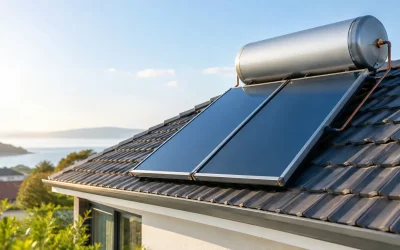
A solar project can look promising on paper and still disappoint if the building, utility rate, or installation constraints are not checked early. This solar feasibility study guide helps homeowners, businesses, farms, and public agencies determine whether solar is likely to deliver worthwhile savings before they commit to a contract.
A feasibility study does not need to be an engineering thesis. It is a practical decision tool: Can this property support solar? How much electricity can the system realistically produce? What will it cost after incentives? And does the financial return fit the way you use energy?
What a Solar Feasibility Study Tells You
A solar feasibility study combines site conditions, energy consumption, system design assumptions, local utility rules, and financial projections. The goal is not to promise an exact final price or production number. Those require a detailed design and site visit. The goal is to identify major opportunities and deal-breakers early enough to make a smart choice.
For a homeowner, the key question may be whether a roof-mounted system can reduce a large monthly electric bill. For a warehouse, school, dairy farm, or municipal facility, the question may be more complex: whether the project can offset expensive daytime demand, fit within a capital budget, and meet organizational sustainability goals.
A good study also clarifies what type of solar project makes sense. Roof solar is often the simplest route, but a carport, ground mount, canopy, or combined solar-and-storage project may offer better value depending on the property.
Start With Your Energy Use
Your utility bills are the foundation of a useful feasibility review. Gather at least 12 months of electric bills, including monthly kilowatt-hour usage, demand charges where applicable, rate schedules, and account fees. One month rarely represents the full picture. Cooling loads, heating equipment, irrigation pumps, production cycles, and operating hours can change dramatically through the year.
Annual usage tells a contractor how much electricity you buy. Just as valuable is knowing when you use it. A business that consumes most of its electricity during sunny afternoon hours may see a different value from solar than a property with heavy nighttime loads. Agricultural operations should account for irrigation seasons, grain drying, refrigeration, and future equipment plans.
Before sizing a system, consider planned changes. An electric vehicle, heat pump, home addition, new production line, or expanded livestock operation may increase usage. On the other hand, replacing old HVAC equipment or lighting could lower it. Designing solar around an outdated energy profile can leave you with a system that is too large or too small.
Evaluate the Site, Not Just the Roof
A south-facing roof can be helpful, but it is not a requirement. East- and west-facing arrays can still perform well, particularly where afternoon electricity is costly. The real question is whether usable solar access, structural capacity, and installation space support the project.
A contractor will review roof orientation, pitch, square footage, material, age, obstructions, and shading. Trees, neighboring buildings, vents, chimneys, and rooftop mechanical equipment can reduce production or make the layout less efficient. Aerial imagery is useful for an initial screen, but it cannot replace a site assessment when you are nearing a final decision.
Roof condition deserves special attention. If replacement is likely within the next several years, it is usually more cost-effective to handle that work before installing panels. Removing and reinstalling solar later adds labor and scheduling costs. Commercial owners should also ask whether the roof warranty, drainage pattern, and planned rooftop equipment could affect the design.
For ground-mounted solar, review available acreage, topography, soil conditions, drainage, fencing needs, setbacks, and access for construction equipment. A field may have plenty of open space but still require significant grading, trenching, or utility upgrades. Those costs can change an otherwise attractive project.
Check Utility Rules and Interconnection Capacity
Solar savings depend on more than panel output. Your local utility’s billing structure and interconnection requirements influence how valuable each kilowatt-hour of solar production will be.
Ask how exported electricity is credited, whether there are limits on system size, and whether net billing or net metering rules apply to your account. Some utilities credit excess production at or near the retail electricity rate. Others offer a lower export rate, which can make on-site use and battery storage more valuable.
Commercial, agricultural, and institutional customers should look carefully at demand charges, time-of-use rates, and standby charges. Solar can reduce purchased energy, but it may not eliminate every component of a complex utility bill. In some cases, batteries, load management, or a system sized around daytime consumption improve the economics.
Interconnection is also a timing issue. Utilities may require applications, engineering review, equipment changes, or transformer upgrades before the system can operate. A qualified local contractor can identify common requirements in your service territory and build a more realistic project schedule.
Build a Financial Model Around Real Assumptions
The financial section of a feasibility study should show both the opportunity and the assumptions behind it. Start with the installed cost estimate, then account for available tax credits, depreciation opportunities for eligible businesses, rebates, financing costs, and anticipated operations and maintenance.
The federal solar investment tax credit may significantly lower the net cost for eligible projects, but eligibility and tax treatment vary. Businesses, farms, nonprofits, and government entities may have different paths to benefit. Do not treat an incentive as guaranteed until a tax professional and qualified contractor confirm how it applies to your organization.
A credible projection should estimate annual production, annual bill savings, payback period, and longer-term return. It should also state expected utility rate escalation, panel degradation, and system operating costs. Small changes to these inputs can materially affect the result, so compare proposals using similar assumptions rather than focusing only on the largest savings number.
Financing changes the picture as well. A cash purchase may offer the strongest lifetime return, while a loan can preserve capital and begin generating savings with less money upfront. A lease or power purchase agreement can reduce upfront cost but may deliver different long-term ownership benefits. There is no single best option. The right structure depends on your cash flow, tax position, risk tolerance, and property plans.
Include Storage Only When It Solves a Problem
Battery storage is not automatically required for solar to make financial sense. Grid-connected solar can reduce utility purchases without a battery, and many projects are best kept simple.
Storage becomes more compelling when backup power is a priority, export credits are low, demand charges are high, or electricity prices vary sharply by time of day. A farm protecting refrigeration, a medical facility maintaining critical loads, or a business avoiding costly peak demand may have stronger reasons to evaluate batteries.
Be specific about backup expectations. A battery designed to keep lights, communications, and refrigeration running during an outage is different from one sized to operate an entire facility for multiple days. Clear priorities prevent unnecessary costs and create a more useful system design.
Compare Contractor Findings, Not Just Prices
Once the project appears feasible, request proposals from experienced solar professionals who work with your property type. Residential projects, flat-roof commercial installations, agricultural ground mounts, and public-sector procurement can involve very different permitting, electrical, and financing considerations.
Ask each contractor to explain their proposed system size, estimated annual production, panel placement, equipment selection, utility assumptions, warranties, and projected savings. If one quote is substantially lower, find out why. It may use less equipment, assume fewer electrical upgrades, exclude roof work, or rely on optimistic production estimates.
For an apples-to-apples comparison, provide every contractor with the same recent utility bills and project goals. Be open about planned changes to the property or operations. Solar Contractors can help you find qualified professionals and request multiple quotes, making it easier to compare local expertise without spending weeks searching.
Your Solar Feasibility Study Checklist
Before moving forward, make sure you can answer these practical questions:
- Do you have a full year of utility data and a clear picture of future electricity needs?
- Is the roof or land suitable, structurally sound, and unlikely to need major work soon?
- What utility billing and interconnection rules apply to the proposed system?
- Which incentives are realistically available, and who will verify eligibility?
- Does the projected savings case still work under reasonable, not overly optimistic, assumptions?
- Have you compared proposals that clearly state equipment, scope, warranties, and exclusions?
The best next step is not to chase the biggest advertised system. It is to give a qualified contractor accurate energy data, clear property goals, and the chance to assess the site. A free consultation can turn early estimates into a practical plan for lower energy costs and a property that works harder for you.