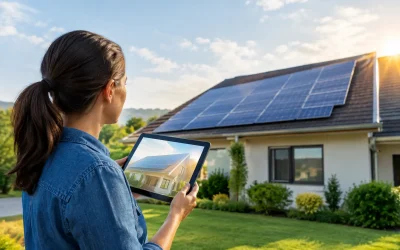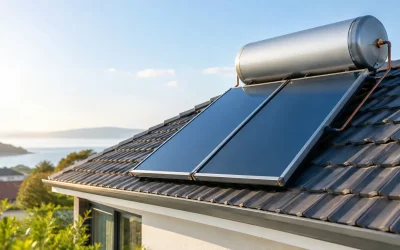
A grain dryer running at harvest, refrigeration in a dairy barn, irrigation pumps during peak summer demand – farm electricity costs rarely arrive at convenient times. A well-planned farm solar panel installation can turn underused roof space or acreage into a long-term source of predictable energy savings, but only when the system is designed around the way your operation actually uses power.
For many farm owners, the question is not whether solar works. It is whether the project will fit the property, cash flow, equipment needs, and future plans of the farm. The right answer starts with a practical site review and quotes from contractors who understand agricultural projects.
Why Farm Solar Panel Installation Makes Financial Sense
Farms often have characteristics that make solar especially attractive: sizable roofs, open land, significant daytime electricity use, and equipment that can drive high utility bills. Solar can offset some of that purchased power and reduce exposure to future utility-rate increases.
The strongest projects usually match solar production with on-site demand. A poultry operation with ventilation and lighting loads, a dairy with milking and cooling equipment, or an irrigated farm with daytime pumping may have a better fit than an operation with very low or highly seasonal electricity use. That does not rule solar out for other farms. It simply means the system size, expected savings, and payback period need closer attention.
Solar can also improve the value and operating profile of an agricultural property. Buyers and lenders may see lower ongoing energy costs as an advantage, particularly when a system is documented, well maintained, and appropriately sized. For farms pursuing sustainability goals or supplying customers with environmental requirements, on-site renewable generation can support that story as well.
Start With Your Energy Use, Not Panel Count
A contractor cannot responsibly recommend a system based only on available roof space. Begin with at least 12 months of electric bills, and ideally 24 months if your farm’s workload changes significantly from year to year. Those bills show total kilowatt-hour use, demand charges where applicable, rate changes, and seasonal patterns.
Think about what is changing, too. A planned irrigation expansion, new cold storage, electric vehicle fleet, additional livestock housing, or upgraded grain-handling equipment can materially change the right system size. On the other hand, a project sized for equipment you expect to retire may produce more electricity than is valuable under your utility’s rules.
Your contractor should explain how the proposed system’s annual production compares with your consumption. Ask whether the estimate accounts for panel orientation, shading, weather data, equipment losses, and the utility’s compensation rules for excess generation. A large system is not automatically a better financial decision if surplus power receives a lower credit than retail electricity.
Choose the Right Location for the System
Agricultural solar systems are commonly installed on barn roofs, machine sheds, livestock buildings, ground-mounted racks, or carports. Each location has a different balance of cost, output, durability, and operational impact.
Rooftop Solar for Farms
Rooftop arrays keep productive ground available for crops, grazing, equipment access, and future buildings. A broad, structurally sound metal roof with limited shade can be an excellent solar site. It is often the most straightforward choice when the roof has enough usable area and years of service life remaining.
Roof condition matters. Replacing a worn roof shortly after adding panels adds unnecessary cost and disruption. Before moving ahead, confirm the roof’s age, structural capacity, drainage, and any planned repairs. Buildings that hold hay, feed, chemicals, or livestock also deserve careful attention to electrical routing, fire safety, ventilation, and access requirements.
Ground-Mounted Solar for Farms
Ground mounts offer more control over array direction and tilt, which can improve production. They also make maintenance easier than a high roof installation. For farms with limited roof area or buildings shaded by trees, a ground-mounted system may be the better option.
The trade-off is land use. Avoid placing an array where it interferes with field operations, drainage, future expansion, livestock movement, or equipment turns. Soil conditions, erosion risk, fencing, and distance to the electrical service can all affect the final price. A site that looks open from the road may require substantial trenching or grading once the project is engineered.
Understand Costs, Incentives, and Utility Rules
The price of a farm solar project depends on system size, mounting choice, electrical upgrades, site conditions, labor availability, and local permitting. Battery storage, generators, tracking equipment, and difficult interconnection requirements can also increase costs. This is why a per-panel estimate is not enough to compare proposals.
Federal tax incentives may reduce the effective cost of qualifying commercial or agricultural solar projects, and some states, utilities, and agricultural programs offer additional support. Eligibility, tax treatment, prevailing wage requirements, and incentive availability can change, so confirm current details with a qualified tax professional and your installer before relying on projected savings.
Your utility’s interconnection process matters just as much. It determines how the system connects to the grid, whether equipment upgrades are necessary, and how exported electricity is credited. Some utilities use net metering, while others use avoided-cost rates, time-based credits, or other structures. Ask for this explanation in plain language before signing a contract.
A complete proposal should separate equipment costs from electrical work, permitting, engineering, interconnection, and optional storage. It should also show production assumptions, projected utility savings, available incentives, warranties, and financing terms. If the savings projection looks unusually high, ask which utility rate and export-credit assumptions make it work.
Compare Contractors Who Know Agricultural Work
Farm projects can involve more than installing panels. Contractors may need to coordinate structural reviews, utility applications, electrical service upgrades, local permits, and work schedules that avoid planting, harvest, or livestock disruption. Experience with agricultural facilities is valuable because the site realities are different from a typical home installation.
When comparing quotes, look beyond the bottom line. Ask each contractor about the proposed equipment, expected annual output, warranty coverage, monitoring, maintenance needs, and who manages the interconnection process. Confirm whether the quote includes all foreseeable work or whether items such as trenching, transformer upgrades, roof repairs, or service-panel changes could be added later.
You should also discuss how construction will affect daily operations. Can the crew work around milking schedules? Will equipment access remain open? How will dust, noise, livestock safety, or crop areas be managed? A capable contractor will treat those questions as part of the project plan, not as last-minute details.
Solar Contractors can help farm owners request and compare quotes from professionals who serve agricultural properties. A Free Consultation gives you a practical starting point before committing time or capital to a specific design.
Decide Whether Battery Storage Belongs in the Plan
Solar panels produce electricity during daylight hours, but they do not automatically keep equipment running during a grid outage. Standard grid-tied systems typically shut down when utility power is out for lineworker safety. If backup power is a priority for refrigeration, animal welfare systems, water pumps, communications, or essential controls, battery storage or an integrated generator strategy may be worth considering.
Storage adds cost, so its value depends on what failure would cost your operation. A dairy or controlled-environment facility may justify backup capability differently than a farm that can pause nonessential loads for several hours. Some farms choose a smaller battery that protects only critical circuits rather than attempting to power every building.
Questions to Ask Before You Sign
A clear conversation now can prevent expensive surprises later. Ask your prospective installer these questions:
- How was the proposed system size calculated from my past and expected electricity use?
- What roof, structural, shade, soil, and electrical assessments are included before installation?
- What utility export rate and interconnection assumptions are used in the savings estimate?
- Which project costs are fixed, and which site conditions could result in change orders?
- Who handles permits, utility paperwork, inspections, and final system activation?
- What happens if production falls below the estimate or equipment needs service?
The answers should be specific, written into the proposal where appropriate, and easy to understand. If a contractor cannot explain a key assumption without technical jargon, keep asking.
A Farm Solar Project Should Support the Operation
The best solar system is not necessarily the biggest array or the lowest initial quote. It is the one that fits your utility use, protects the way the farm operates, and delivers savings under realistic assumptions. Bring your energy bills, future equipment plans, and site priorities to the first conversation, then compare proposals carefully. Find A Contractor when you are ready to turn those details into a project that works as hard as the farm does.