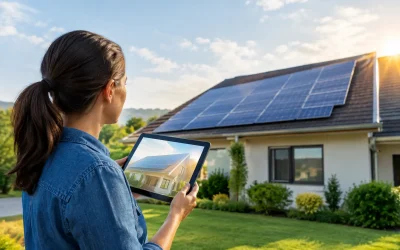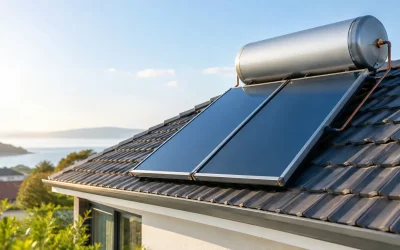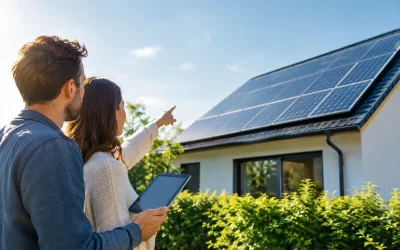
A homeowner getting ready to sell often looks first at the kitchen, the roof, and the curb appeal. But energy costs can be just as persuasive to buyers. So, does solar increase home value? In many cases, yes. A properly designed, owned solar energy system can make a home more attractive and may support a higher sale price, especially where utility bills are high and solar demand is strong.
The key word is owned. Solar is not a guaranteed price bump in every market or under every contract. System ownership, local electric rates, installation quality, roof condition, and how clearly the benefits are presented all affect the result. Here is what homeowners should understand before installing solar with resale value in mind.
Does Solar Increase Home Value for Most Homeowners?
Solar can increase a home’s market appeal because it gives buyers something tangible: the potential for lower monthly electricity costs. Unlike a cosmetic upgrade, a solar system can continue producing financial value after the sale, which is why many buyers view it as a practical improvement rather than just an environmental feature.
The size of the value increase varies by location and property. Homes in sunny areas with expensive electricity often see stronger buyer interest in solar. A system that offsets a meaningful share of the home’s usage is generally easier to explain and market than a very small system with limited bill impact.
Local real estate conditions matter, too. In a competitive market where buyers are comparing similar homes, an owned solar system can help a listing stand out. In an area where solar is common, buyers may see it as an expected feature. Either way, low operating costs can be a meaningful advantage.
Ownership Has the Biggest Effect on Solar Home Value
How the system is financed is one of the first questions a buyer, lender, and real estate agent will ask.
Owned systems are usually the simplest at resale
A system purchased with cash or paid off through financing is typically the most straightforward option. The panels stay with the home, and the new owner receives the future energy production without taking on a separate solar payment. This arrangement is often easier to position as a property improvement during a sale.
If the system was financed with a loan, confirm whether there is an outstanding balance and how it will be handled at closing. In some cases, the seller pays it off. In others, the loan may be transferable if the lender permits it. Clear paperwork prevents last-minute surprises.
Leases and power purchase agreements require more planning
With a solar lease or power purchase agreement, a third party generally owns the equipment. The homeowner pays a monthly lease payment or buys the electricity produced by the system at an agreed rate. These arrangements can still lower utility costs, but the contract often must be transferred to the buyer.
That transfer can add a step to the sale. A buyer may need to meet credit requirements and agree to the contract terms. It does not mean the home cannot sell, but it can narrow the buyer pool or require more explanation. If resale flexibility is a priority, ask installers to clearly compare ownership, loan, lease, and PPA options before you sign.
What Buyers Actually See When They Look at Solar
Buyers do not purchase panels based on a manufacturer brochure. They want to know what solar means for their household budget, roof, and future plans. Sellers who can answer those questions make the system more valuable in practice.
The strongest selling points are usually recent electric bills, annual production records, the remaining equipment warranty, and proof that permits and inspections were completed. If available, show the system’s monitoring data. A buyer can better understand the benefit when they see real production instead of a broad estimate.
It also helps to explain net metering or other local utility rules in plain language. Some utilities allow solar customers to receive credit for excess electricity sent to the grid. Those policies can influence savings substantially, but they vary by utility and may change over time. Avoid promising a buyer a specific future bill amount. Share the current program details and documented results instead.
Factors That Can Raise or Limit Resale Value
Solar is most likely to support home value when it is well matched to the property. A high-quality system on a sound roof, installed by a qualified contractor and paired with organized documentation, creates a far better impression than a system with unclear ownership or unresolved maintenance issues.
Several factors deserve attention:
- Electricity rates: Higher local power prices can make solar savings more meaningful to buyers.
- System age and condition: Newer systems with strong warranties and reliable output are easier to market.
- Roof condition: Buyers may hesitate if the roof will need replacement soon after the panels are installed.
- Local solar awareness: Markets with established solar adoption often have agents, appraisers, and buyers who better understand its value.
- System design: A system sized appropriately for the home is usually more compelling than one that produces far more or far less than typical usage.
Battery storage can also add appeal, particularly in places with outages, time-of-use rates, or high demand charges. Still, batteries are not automatically a dollar-for-dollar addition to resale value. Their value depends on whether buyers in your area prioritize backup power and how the equipment affects the overall project cost.
Appraisals May Not Tell the Full Story
One common concern is whether an appraiser will recognize solar’s value. Appraisers work from comparable home sales, available property data, and local market evidence. If nearby solar homes have sold and the listing data identifies the systems clearly, there is a better foundation for considering the feature.
This is why documentation matters before a home is listed. Give your real estate agent a concise solar information sheet with the installation date, system size, ownership status, financing details, warranty information, production history, and utility savings records. Your agent can include accurate information in the listing and share it with appraisers and interested buyers.
Do not assume every buyer will value solar the same way. Some may focus on lower bills, while others may care more about clean energy or outage resilience. The goal is to present the system as a verified operating asset, not as a vague upgrade.
Should You Install Solar If You May Sell Soon?
Solar can still make sense if you plan to sell in the next few years, but the decision should start with your timeline. The shorter your ownership period, the more important it is to evaluate your local market, project cost, available incentives, and financing structure.
If you expect to sell very soon, a new solar project may not have enough time to deliver substantial personal energy savings before closing. You may still gain a marketable feature, but there is no promise that the sale price will recover every dollar spent. A large, complicated financing arrangement can also create more work during the transaction.
If you expect to stay in the home for several years, the case is often stronger. You can benefit from lower electricity costs while you live there, and a paid-off or nearly paid-off system may be an attractive feature when you eventually list. The best approach is to compare the full project economics, not rely on resale value alone.
How to Protect Your Solar Investment
Start by getting proposals from qualified local solar professionals. Compare equipment, projected production, warranties, installation schedules, financing terms, and the estimated impact on your utility bill. The lowest quote is not always the best long-term value if it leaves important questions unanswered.
Before installation, confirm that your roof has enough remaining life and ask who is responsible if panels must be removed for future roof work. Make sure the contract clearly states who owns the system, what happens if you sell, and whether there are transfer fees or payoff requirements.
After installation, keep a dedicated file with your contract, permits, final inspection, interconnection approval, warranty documents, equipment specifications, and monitoring reports. This takes little effort now and can make a future home sale much easier.
A trusted installer can help you evaluate the right design for your property and explain the choices without unnecessary complexity. Solar Contractors makes it easier to request and compare quotes from professionals who serve your area.
The best solar project is one that lowers your operating costs today while remaining easy for a future buyer to understand. Ask direct questions, choose an ownership structure that fits your plans, and keep the paperwork organized. That is how solar becomes more than a roof upgrade – it becomes a practical selling advantage.