A long shower, a busy commercial kitchen, or a livestock wash station can make hot water one of a property’s biggest hidden energy costs. When comparing solar hot water vs tankless, the better choice depends less on which system is newer and more on how much hot water you use, where the property is located, and what energy sources are available.
Solar hot water systems use sunlight to heat water, usually with roof-mounted collectors and a storage tank. Tankless water heaters heat water only when someone opens a faucet or starts an appliance. Both can reduce waste compared with a conventional storage water heater, but they do it in very different ways.
Solar Hot Water vs Tankless: The Core Difference
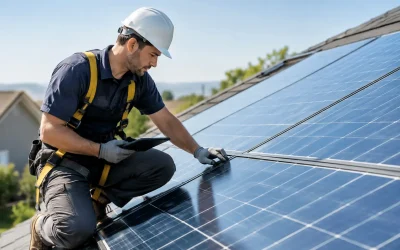
Solar hot water is a solar thermal technology. It captures heat from the sun directly to warm water for showers, sinks, laundry, process use, or other applications. Most systems include collectors, insulated plumbing, a storage tank, controls, and a backup heat source for cloudy periods or times of heavy demand.
A tankless water heater is an on-demand appliance powered by natural gas, propane, or electricity. Instead of keeping a large tank of water hot around the clock, it activates when water flows through the unit. That can reduce standby energy losses, particularly in buildings where hot-water use is intermittent.
The practical distinction is simple: solar hot water reduces the energy needed to heat a stored supply, while tankless systems avoid storing hot water in the first place. A solar thermal system may still use a tank and may still need a backup heater. A tankless unit does not depend on sunshine, but it continues to rely on utility power or delivered fuel.
Upfront Cost and Long-Term Savings
Tankless systems typically have a lower and more predictable installation cost than solar hot water systems, especially when replacing an existing gas water heater with a properly sized gas tankless model. Still, installation costs can rise when a property needs larger gas lines, new venting, electrical upgrades, or multiple units to support simultaneous demand.
Solar hot water usually costs more upfront because it is a complete system, not just a water heater. Roof collectors, mounting equipment, circulation components, plumbing changes, storage capacity, and backup heating all factor into the price. A complex roof, long pipe runs, or a freeze-prone climate can add to the investment.
Where solar hot water can win is over the long term. Properties with high, steady hot-water use have more opportunity to offset fuel or electricity purchases. This can make solar thermal especially attractive for large households, multifamily buildings, hotels, restaurants, athletic facilities, farms, and certain public facilities.
Savings will vary with local utility rates, fuel type, available sunlight, system design, and usage habits. If a building uses little hot water, a solar thermal system may take much longer to pay back. In that situation, an efficient tankless unit may be the more practical investment.
Financial incentives can change the math. Federal, state, local, utility, and agricultural programs may support eligible solar thermal or energy-efficiency upgrades, but requirements differ by location and project type. Ask qualified contractors and a tax professional which incentives apply before making a final decision.
Climate, Roof Conditions, and Property Layout
Solar hot water does not require desert-level sunshine, but it does need reasonable solar access. A south-facing or otherwise well-exposed roof with limited shade is often ideal. Trees, neighboring buildings, roof obstructions, and future construction plans all deserve consideration before installing collectors.
Cold climates do not rule out solar hot water. Properly designed systems can operate in areas with freezing weather, often using a heat-transfer fluid and heat exchanger to protect equipment. However, cold-climate designs are more complex, and professional installation matters. Poorly insulated piping or an improperly selected system can reduce performance and create maintenance issues.
Tankless systems are less dependent on site conditions. They can work in nearly any climate when installed correctly, although outdoor units need appropriate freeze protection. For gas models, the key questions are gas supply, venting routes, combustion air, and local code requirements. For electric tankless models, electrical capacity is often the deciding factor because whole-home units can require substantial amperage.
For commercial, agricultural, and institutional properties, layout matters as much as climate. A single central unit may not be the best choice if hot-water fixtures are spread across a large building or property. Long distribution lines waste heat and increase the wait for hot water. Point-of-use tankless units, recirculation systems, or multiple solar storage zones may be worth evaluating.
Performance During High Demand
Tankless water heaters deliver hot water continuously, but they do not produce unlimited flow. Every unit has a maximum flow rate that changes with incoming water temperature. In colder regions, the unit must work harder to raise groundwater to the desired temperature, reducing the amount of hot water it can deliver at once.
That means a smaller tankless unit may struggle when two showers, a dishwasher, and a washing machine run together. Larger homes and high-demand businesses may need a high-capacity model, multiple units, or a hybrid approach.
Solar hot water systems use stored hot water, so performance depends partly on tank size. A properly sized system can cover a large share of daily demand, but repeated heavy use can deplete the stored supply before the sun has time to recharge it. The backup heater then takes over.
For predictable, daytime-heavy demand, solar hot water can be a strong match. For a property with unpredictable spikes, tankless equipment may offer simpler on-demand performance. Some larger properties benefit from combining solar preheating with high-efficiency gas or electric backup equipment, reducing fuel use without sacrificing capacity.
Maintenance and Expected Service Life
A tankless system is compact, but it is not maintenance-free. Mineral buildup is a major concern in hard-water areas. Periodic flushing helps protect the heat exchanger and maintain efficiency. Gas units also need proper venting, combustion checks, and service according to the manufacturer’s schedule.
Solar hot water systems have more components, which means maintenance needs can be broader. Depending on the system, owners may need inspections of pumps, controls, valves, collectors, insulation, heat-transfer fluid, and tank components. A well-designed system installed by an experienced solar thermal contractor can provide years of reliable operation, but it should be treated as an energy system rather than a set-it-and-forget-it appliance.
The right maintenance plan depends on local water quality, weather exposure, equipment type, and how critical hot water is to daily operations. A restaurant, dairy operation, or health facility should place a higher value on backup capacity and responsive service than a low-use vacation property.
Which Option Fits Your Property?
Choose solar hot water when your property has good sun exposure, consistent hot-water demand, and a long-term ownership outlook. It can be particularly compelling when energy costs are high, incentives improve the project economics, or sustainability goals are part of the property’s operating plan.
Choose tankless when you want a smaller upfront project, limited standby losses, and on-demand hot water without relying on roof space or sunlight. It is often a practical replacement option for homeowners and facilities that have moderate use or need reliable hot water at varied times.
If your goal is to reduce total energy use as much as possible, do not assume the decision has to be either-or. Solar thermal can preheat water before it reaches a tankless or conventional backup heater. The result can be lower fuel consumption while preserving dependable hot-water delivery when weather or demand changes.
Before committing, request project-specific estimates that account for water usage, roof condition, fuel availability, electrical service, local weather, and installation requirements. Solar Contractors can help you Find A Contractor and compare qualified professionals for a free consultation. The best system is the one sized for your property, your budget, and the hot-water demands you expect for years to come.