A solar project is not fully approved just because the panels are installed. Before your system can send electricity to the grid, your utility must review the design, confirm safety requirements, and authorize operation. This solar interconnection process guide explains what happens between signing an installation contract and turning your system on.
For homeowners, businesses, farms, and public agencies, interconnection is the final approval that connects your solar investment to real savings. A qualified contractor can manage much of the paperwork, but understanding the process helps you ask better questions, set realistic expectations, and avoid preventable delays.
What solar interconnection means
Interconnection is the utility’s process for approving a customer-owned solar energy system to operate on its electric grid. The utility reviews how your system will connect, including the inverter, electrical equipment, system size, and proposed meter arrangement.
This approval matters because solar panels do not operate in isolation when they are tied to the grid. Your inverter has to meet utility safety standards and automatically stop exporting power during an outage. That protects line workers and helps maintain grid reliability.
Interconnection is different from a building permit and different from a solar incentive application. Your local building department focuses on code compliance. Incentive programs focus on eligibility and documentation. The utility focuses on the safe exchange of electricity between your property and the grid.
The solar interconnection process guide: step by step
The exact steps vary by utility, state, system size, and whether the project includes batteries. Still, most residential and small commercial projects follow a similar path.
1. Start with a site assessment and system design
Your contractor begins by reviewing your roof, electrical panel, energy usage, available space, and local requirements. For a farm or commercial property, the assessment may also include demand charges, three-phase service, load profiles, and available land for a ground-mounted array.
The best system size is not always the largest system that fits. Utilities may limit how much generation can be interconnected at a service address, and some programs base limits on your historical electricity use. Oversizing can affect approval, economics, or both.
At this stage, ask your contractor whether your main panel needs an upgrade, whether your roof should be repaired first, and whether battery storage changes the utility application. Addressing these questions early is usually less expensive than changing the design after permits have been submitted.
2. Submit the utility interconnection application
Your installer typically submits the application, but the property owner may need to sign it or create an online utility account. The application generally identifies the account holder, service address, contractor, equipment, system size, and technical specifications.
Utilities commonly request a one-line electrical diagram, site plan, equipment specification sheets, proof of insurance for certain larger projects, and a signed interconnection agreement. Commercial, agricultural, and government projects often have more detailed requirements because their systems may be larger or connected to more complex electrical service.
Accuracy is critical. A mismatch between the proposed inverter model and the equipment later installed can lead to a resubmission. A wrong account number, incomplete signature, or missing technical document can have the same effect.
3. Receive utility review and conditional approval
Once the utility receives a complete application, it reviews the project for compatibility with the local distribution grid. Smaller systems may qualify for a streamlined review. Larger systems or projects in constrained areas may require additional engineering review.
A utility may approve the design as submitted, request more information, require equipment changes, or identify upgrades that must be completed before the system can operate. For example, a transformer, service line, or other grid equipment may need work if the proposed generation exceeds local capacity.
Most home solar systems move through this stage without major upgrades, but there is no universal timeline. Some applications are reviewed in a few weeks. Others can take longer, especially during busy installation seasons, after severe weather events, or when the utility needs a detailed study.
4. Install the system and complete local inspections
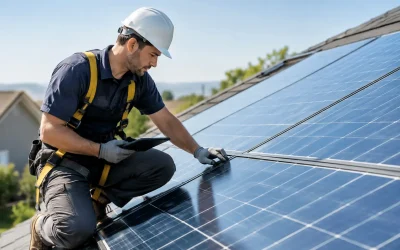
After permits and required utility approvals are in place, the contractor installs the solar equipment. The work includes mounting panels, running wiring, installing inverters, adding required disconnects, and completing any approved electrical upgrades.
Your local authority then inspects the installation. The inspector checks that the project meets building, fire, and electrical codes. If corrections are needed, your contractor should resolve them before requesting final utility authorization.
Do not confuse a passed local inspection with permission to operate. The system may be physically complete, but it should not be energized for grid export until the utility gives formal approval.
5. Complete final utility requirements and meter work
After the final inspection, the contractor submits the completion documents to the utility. Depending on the utility, this can include a signed inspection record, final equipment confirmation, photographs, and a certificate of completion.
The utility may then schedule a meter exchange, meter reprogramming, or final field inspection. In many areas, a bidirectional meter records electricity delivered from the grid and excess solar electricity sent back to it. Your billing treatment for exported power depends on local net metering, net billing, or other utility rules.
If you are adding a battery, confirm how it will operate during an outage and whether it is configured for export, self-consumption, or backup-only use. Those settings can affect the final interconnection approval.
6. Get permission to operate
Permission to operate, often called PTO, is the utility’s official notice that your solar system may be turned on and connected to the grid. This is the milestone to watch for, not simply the installation date.
Your contractor should tell you when PTO arrives and show you how to monitor production. Keep a copy of the approval letter, interconnection agreement, final inspection documents, warranties, and system specifications. Those records can help with future service, insurance questions, property sales, and incentive documentation.
What can slow down interconnection?
Some delays are outside your control, but many can be reduced with solid planning. Incomplete applications are a common issue, particularly when a utility requires a specific form, original signature, or current equipment data sheet.
Electrical upgrades can also change the schedule. A crowded panel, outdated service equipment, or insufficient service capacity may need to be addressed before the solar system can pass inspection. On older homes and facilities, this is worth evaluating before comparing final project quotes.
Equipment substitutions can cause trouble as well. Supply constraints sometimes lead contractors to propose a different inverter or panel model. That may be reasonable, but the replacement equipment should be reviewed against the approved application before installation.
For commercial and agricultural buyers, interconnection studies and utility upgrade costs deserve close attention. A lower installation price does not necessarily mean a lower total project cost if the utility later identifies substantial infrastructure work. Ask for clarity on what is included, what is estimated, and which costs could be passed through.
Questions to ask your solar contractor
Before choosing an installer, ask who will manage the interconnection application, which documents require your signature, and whether the quoted timeline includes utility review and PTO. You should also ask whether the proposed system size has been checked against utility limits and whether an electrical panel upgrade is likely.
For larger projects, ask whether a preliminary utility review is available before committing to a final design. It can provide useful insight into possible grid constraints, even though it may not guarantee final approval.
A contractor should be able to explain the process plainly rather than promising a specific PTO date they do not control. Clear communication matters because the utility, permitting office, equipment suppliers, and installer all influence the project schedule.
Prepare before you request quotes
Having a recent utility bill ready makes the first consultation more productive. It gives contractors a starting point for estimating system size, evaluating rate structures, and identifying potential interconnection limits. If you have a commercial facility, farm operation, or public property, gather interval data and information about planned load changes when available.
It also helps to share details about roof age, planned renovations, electrical service upgrades, and backup-power goals. A project designed for bill savings alone may look different from one designed to keep essential equipment running during outages.
Solar Contractors can help you Find A Contractor who understands the needs of your property type and local utility territory. Comparing qualified proposals gives you a better view of design options, expected timelines, and the support each installer provides after installation.
The right solar project does more than add panels to a roof or field. It creates a practical path to lower energy costs, greater energy independence, and long-term value. Start your Free Consultation with clear utility information in hand, and choose a contractor who treats interconnection as a core part of the job, not an afterthought.