A remote pasture with no utility line, a high electric bill for irrigation, or a diesel pump that needs constant fueling can turn water management into an expensive chore. So, can farms use solar pumps? Yes. Solar-powered pumps can move water for livestock, irrigation, ponds, and storage tanks, often with lower operating costs than grid-powered or diesel alternatives.
The right fit depends on the water source, the volume needed, the distance and elevation water must travel, and when the farm needs it. A solar pump is not a one-size-fits-all replacement for every agricultural pumping system. But for many US farms, it is a practical way to reduce fuel use, extend water access, and gain more control over a critical farm expense.
Can Farms Use Solar Pumps for Irrigation and Livestock?
Solar pumps use electricity produced by photovoltaic panels to power a pump. During strong daylight hours, the system draws water from a well, creek, pond, cistern, or other approved water source and delivers it to where it is needed.
For livestock operations, that may mean pumping water to a trough in a rotational grazing field. For crop producers, it can mean supplying drip irrigation, moving water from a pond to a holding tank, or supporting a low-pressure irrigation zone. Systems can be designed to pump directly when the sun is available, store water in a tank for later use, or operate with batteries or backup power when pumping after sunset is necessary.
Solar pumping works especially well where electricity is unavailable or expensive to extend. Running utility service to a distant field can cost far more than a properly designed solar pumping system. Diesel pumps avoid that trenching cost, but they bring recurring fuel, maintenance, noise, and labor demands.
Where Solar Pumps Make the Most Sense
The strongest solar pump projects match daytime water production with daytime solar generation. Livestock watering is a common example. Water can be pumped throughout the day into a storage tank, then fed by gravity to troughs whenever animals need it. The water tank effectively becomes the system’s energy storage, reducing or eliminating the need for costly batteries.
Drip irrigation is another strong use case because it generally operates at lower flow rates and pressures than large center-pivot systems. A solar system can deliver water gradually over longer daytime periods, which often fits drip irrigation schedules well.
Remote wells, ponds, and surface-water transfers are also good candidates. Farms that currently haul water, maintain a generator, or make frequent diesel runs may see meaningful operational savings from solar pumping.
Larger high-pressure irrigation systems can use solar too, but the design becomes more complex. A center pivot or large-volume sprinkler system may require substantial power at specific times, including early morning or evening. In those cases, a grid-connected solar array that offsets overall farm electricity use may be more economical than a standalone solar pump. A qualified agricultural solar contractor can help compare both approaches.
What Determines System Size
Pump sizing is about more than the size of the field or herd. An installer needs accurate site details before recommending equipment. The most important factors are the required flow rate, total daily water demand, water-source depth, and total dynamic head.
Total dynamic head is the combined effort required to lift and move water. It includes the vertical rise from the water level to the delivery point, friction losses through pipes, and any pressure needed at the endpoint. A pump moving water uphill to a tank needs more energy than one transferring water across level ground.
Water levels matter, particularly for wells. The static level is where water sits when no pumping occurs. The pumping level can drop lower while the pump runs. Designing only around the static level can leave a system underpowered when demand is highest.
Panel placement matters as well. Solar modules need a clear, mostly unshaded location, with orientation and tilt suited to the property and seasonal water demand. Dust, snow cover, animal activity, and equipment access should all be considered in the layout.
Storage Often Matters More Than Batteries
For many farm pumping systems, storing water is simpler and less expensive than storing electricity. A larger tank allows the pump to run when sunshine is strong and provides a reserve for cloudy periods, overnight watering, and peak demand.
Batteries can be useful when a pump must run after dark, when water cannot be stored adequately, or when controls and monitoring need uninterrupted power. They also add upfront cost and eventual replacement needs. Farms should not assume batteries are required just because the pump is solar-powered.
Costs, Savings, and Financial Incentives
The installed cost of a solar pump varies widely. A small livestock watering system may require a modest array, pump, controller, pipe, float valve, and storage tank. A deep well or high-output irrigation application may need more panels, larger-diameter piping, extensive electrical work, controls, and engineering.
The financial case is usually clearest when solar replaces diesel use, water hauling, generator operation, or a costly grid extension. Savings can come from lower fuel and electricity bills, fewer trips to remote sites, and reduced maintenance. Solar equipment has no fuel delivery schedule, and modern pump controllers can adjust output as sunlight changes.
Available tax incentives and agricultural programs may improve project economics, although eligibility and requirements differ by location, ownership structure, and project type. A contractor and tax professional can help you evaluate current options without building a project around assumptions.
The lowest initial bid is not always the lowest-cost system. Undersized panels, incorrect pump selection, insufficient storage, or poor-quality components can create water shortages that disrupt the operation. Ask for a clear proposal showing expected daily water output, storage capacity, warranty terms, installation scope, and any expected seasonal limitations.
Practical Limits to Plan Around
Solar pumps are dependable when designed for real site conditions, but they do have limits. Output falls during cloudy weather and short winter days. If water demand peaks in the same season as solar production, that is usually manageable. If demand is highest during periods of low sunlight, additional panel capacity, more storage, a hybrid power source, or a backup pump may be necessary.
Water rights, well regulations, electrical permits, and irrigation requirements still apply. Solar power does not remove the need for proper permits or approvals. Surface-water pumping may also involve local or state restrictions, so confirm the rules before finalizing a system.
Freezing weather deserves attention in colder regions. Exposed pipe, tanks, troughs, and valves must be protected, drained, insulated, or designed for winter operation. Livestock systems often need a plan for keeping water available during extended snow cover or low-sun periods.
How to Start a Farm Solar Pump Project
Begin by documenting how water currently moves across the property. Record the source, daily gallons needed, peak seasonal demand, lift height, pipe distance, and pressure requirements. If you have utility bills, diesel receipts, or water-hauling costs, keep those available too. They help compare the true cost of the existing approach.
Next, identify the operating goal. You may want reliable drinking water in remote paddocks, lower costs for a well pump, or a dedicated irrigation supply for a new growing area. A defined goal helps contractors recommend the right system rather than simply the biggest array.
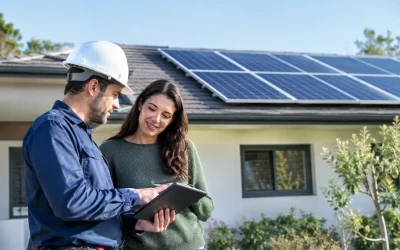
Then request proposals from installers with agricultural or water-pumping experience. The right contractor should ask detailed questions about the well, water source, storage, piping, controls, and seasonal use. Solar Contractors can help farm owners find professionals to compare options and request a free consultation.
A Smart Water Upgrade Starts With the Site
Solar pumps can give farms a dependable way to move water without relying as heavily on diesel, distant utility lines, or daily manual work. The best project is not necessarily the most powerful one. It is the one sized around your water demand, site conditions, storage plan, and budget. With accurate measurements and an experienced installer, a solar pump can become a practical long-term improvement to the way your farm operates.