A low electric bill is the goal. A bad solar contract is the fear. That tension is exactly why the top questions before going solar matter so much. Whether you own a home, manage a commercial site, run a farm, or oversee a public facility, the right questions can save you money, protect your timeline, and help you choose a system that actually fits your property.
Solar can be a smart long-term investment, but it is not one-size-fits-all. The best results usually come from getting clear on your energy use, your site conditions, your budget, and the installer you trust to do the work right. Here are the questions worth asking before you move forward.
The top questions before going solar start with your property
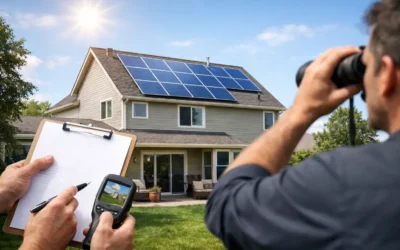
The first question is simple: is your property a good fit for solar? That does not just mean whether the sun shines where you live. It means looking at roof age, roof condition, shade, orientation, available space, and how much electricity your property uses throughout the year.
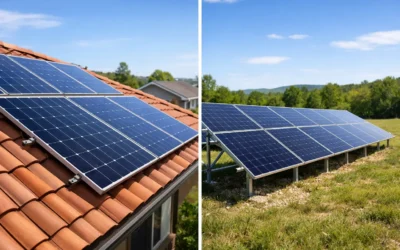
For homeowners, a south-facing roof with minimal shade is often ideal, but east- and west-facing roofs can still work well depending on local utility rates and system design. For commercial and agricultural properties, open land, large rooftops, carports, and outbuildings can create more options. Government and institutional buyers may also need to think about building use, public procurement requirements, and long-term facility plans.
If your roof is older and may need replacement soon, that should be part of the conversation early. Installing panels and then removing them a few years later for roofing work adds cost you may be able to avoid by timing both projects together.
How much will I actually save?
This is usually the question people care about most, and for good reason. Solar is often sold on savings, but the amount depends on several moving parts. Your current electric rates, how much power you use, local sun exposure, utility billing rules, financing terms, and available incentives all affect the real outcome.
A strong proposal should show projected production, estimated utility bill reduction, and the payback period. It should also explain the assumptions behind those numbers. If projected savings look unusually high, ask why. Some estimates are based on ideal conditions, not realistic performance over time.
For commercial properties, farms, and public-sector projects, savings can also depend on demand charges, seasonal use patterns, and whether the system offsets daytime operations effectively. In other words, bigger systems do not always mean better returns. The right size is the one that matches your usage and financial goals.
Should I buy, finance, or lease?
This question shapes the economics of the project. Buying a solar system outright usually gives you the strongest long-term return because you avoid finance charges and typically keep the full value of incentives and bill savings. The trade-off is the upfront capital.
Financing spreads out the cost and may still produce positive monthly savings if the payment is lower than your electric bill reduction. That can be attractive for homeowners and organizations that want to preserve cash. Still, loan terms matter. Interest rate, dealer fees, length of term, and prepayment flexibility all affect the value.
Leases and power purchase agreements can lower the barrier to entry, especially when upfront budget is tight. But they usually reduce your lifetime savings compared with ownership. They can also complicate a future property sale if the agreement must be transferred. The best choice depends on your cash flow, tax situation, and how long you expect to keep the property.
What incentives and tax credits apply to me?
Federal, state, local, and utility incentives can change the math quickly. For many buyers, the federal tax credit is a major part of the value. Depending on your project type, there may also be state rebates, property tax exemptions, sales tax exemptions, renewable energy credits, or utility-based programs.
This is where details matter. Not every incentive applies to every customer type, and eligibility rules can differ for residential, commercial, agricultural, and government projects. A nonprofit, municipality, or school may need to look at different structures than a homeowner or taxable business.
A good installer should explain what incentives may apply and how they affect your cost. They should also be honest about what is guaranteed versus what depends on tax liability, funding availability, or utility approval.
Do I need battery storage too?
Not always. Solar panels and batteries solve related but different problems. Solar lowers the cost of electricity by generating power. Batteries store energy for later use, which can help during outages or when utility rates are higher at certain times of day.
If your main goal is reducing your monthly electric bill, solar alone may be enough. If backup power is important because you live in an outage-prone area, operate a business with critical loads, or manage facilities that need resilience, battery storage may be worth a closer look.
The trade-off is cost. Batteries increase the project price, and not every property will see a strong financial return from adding them right away. In some cases, it makes sense to install solar now and choose a battery-ready setup for future expansion.
How do I know what size system I need?
System size should be based on your actual energy profile, not a sales target. A contractor should review at least 12 months of utility bills when possible and ask about expected changes such as EV charging, equipment upgrades, business growth, irrigation loads, or planned building expansions.
For a home, the goal may be to offset most or all annual usage. For a commercial or agricultural property, the best design might target the loads that produce the highest utility costs rather than simply maximizing panel count. For public facilities, the analysis may also need to align with budget cycles and long-term capital planning.
Oversizing can create unnecessary cost or reduced value if utility compensation for excess power is limited. Undersizing can leave too much savings on the table. Good design is about fit, not just capacity.
What should I ask installers before signing?
This may be the most important section in the entire process. The installer you choose affects the equipment, design, permitting, timeline, workmanship, and support after the job is done. Price matters, but the cheapest quote is not always the best deal.
Ask who will install the system, whether work is subcontracted, what warranties are included, and how service issues are handled. Ask how long the company has worked in your market and whether they have experience with your project type. Residential solar is different from a ground-mount farm system, and both differ from a municipal or commercial installation.
It also helps to ask what is included in the quote. Some proposals bundle everything from permitting to interconnection and monitoring. Others leave room for change orders, electrical upgrades, trenching, roofing coordination, or structural work that can raise the final cost.
What is the timeline, and what could delay it?
Many buyers expect solar to move faster than it does. The physical installation may be fairly quick, but the full process often includes site review, engineering, permit approval, utility interconnection, inspections, and final permission to operate.
The timeline can vary by location, utility, and project complexity. A straightforward residential installation may move relatively quickly, while a commercial, agricultural, or public-sector project can take longer because of engineering, procurement, or approval requirements.
This is why clear communication matters. Ask for a realistic project schedule and ask what could cause delays. Supply issues, permitting backlogs, utility processing times, weather, and site upgrades can all affect the final completion date.
What happens if I sell the property?
Solar can improve property appeal, but the answer depends on how the system is owned and documented. Owned systems are generally easier to present as a value-add because the buyer receives the benefit of lower operating costs without taking on a third-party contract.
If the system is financed, you will want to know whether the loan is assumable or whether it must be paid off at closing. If the system is leased, ask how transfer works and whether buyers in your market are likely to accept that arrangement. For commercial and institutional properties, the issue may be tied to asset management, lease structures, or procurement obligations.
Thinking about resale now helps you avoid surprises later.
Are the numbers and promises in the proposal realistic?
A solar proposal should be easy to understand. If it is full of vague savings claims, missing equipment details, or unclear assumptions, slow down. You should know the system size, expected production, financing terms, warranty coverage, estimated first-year savings, and who is responsible for each stage of the project.
It is also fair to ask what happens if performance is lower than expected. Some installers provide production guarantees or monitoring support, while others rely only on manufacturer warranties. Neither approach is automatically wrong, but you need to know the difference before signing.
If you are comparing multiple quotes, line them up carefully. The best bid is not just the lowest price. It is the one with a sound design, fair terms, reliable support, and a realistic path to savings.
Getting solar right starts with asking better questions. If you are ready to compare options and speak with professionals who understand your project type, Find A Contractor and request a Free Consultation. A little clarity now can lead to years of lower energy costs and a decision you feel good about.