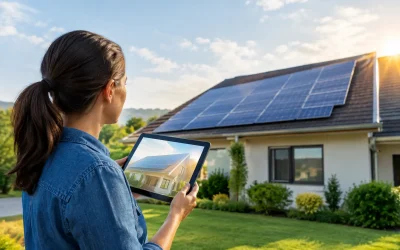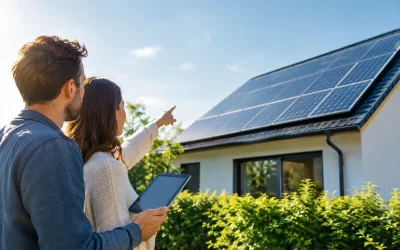
A roof can do more than keep out the weather. It can lower operating costs, improve energy independence, and add long-term value to a property. But when comparing solar panels vs solar shingles, the right choice is rarely just about appearance. Your roof condition, available space, electricity use, budget, and project timeline all matter.
Traditional solar panels remain the most common choice for homes, businesses, farms, and public facilities because they offer strong output at a relatively accessible price. Solar shingles offer a more integrated look, which can be appealing when a roof replacement is already on the table. Knowing where each option fits can help you have a more productive conversation with qualified solar contractors.
Solar Panels vs Solar Shingles: The Core Difference
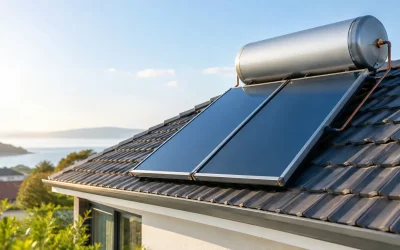
Solar panels are photovoltaic modules installed above an existing roof surface, usually on a racking system. They capture sunlight and convert it into usable electricity for the property. Depending on the project, the system may also include an inverter, electrical equipment, monitoring technology, and battery storage.
Solar shingles, sometimes called solar roof tiles, are photovoltaic products designed to function as both roofing material and electricity-generating equipment. Rather than sitting above standard shingles, they become part of the roof itself. They are typically installed during a new construction project or a full roof replacement.
Both technologies can reduce electricity purchases from the utility. The practical difference is that panels prioritize output and cost efficiency, while shingles place greater emphasis on a built-in appearance.
Cost: Panels Usually Deliver More Value Per Watt
For most property owners, cost is the first major dividing line. Solar panels generally cost less per watt of installed capacity than solar shingles. They are widely available, installers have extensive experience with them, and the equipment can produce substantial power without requiring an entire roof replacement.
Solar shingles often involve higher material and labor costs. If your existing roof is near the end of its life, however, part of the expense may replace a roofing cost you would have faced anyway. That changes the comparison. A homeowner who needs a new roof now may see more value in an integrated solar roof than someone with a newer roof in excellent condition.
Commercial, agricultural, and government buyers should also look beyond the initial price. A larger roof with room for standard panels can often generate more electricity for the same investment. For organizations focused on financial return, that higher production potential may outweigh the visual benefit of shingles.
Federal, state, local, and utility incentives can affect the final project cost. Eligibility and incentive rules vary by location, property type, system design, and tax situation. A solar professional and qualified tax advisor can help clarify which programs may apply before you sign a contract.
Energy Production and Efficiency
Solar panels usually have an advantage when maximum energy production is the goal. Modern panels come in a range of wattages and can be placed strategically on the roof to make the best use of available sunlight. In many cases, they can produce more power from a given roof area than solar shingles.
That does not mean solar shingles cannot make a meaningful contribution. They can offset a portion of a property’s electricity use, particularly on roofs with good sun exposure and sufficient usable surface area. Still, their smaller individual units and roof-integrated layout can limit how much generation fits on the roof.
Roof orientation, shading, pitch, and local weather are just as important as the product you choose. A south-facing, unshaded roof in a sunny area may support excellent production with either option. A roof interrupted by skylights, vents, chimneys, dormers, or trees may favor a custom panel layout, since panels can sometimes be arranged around those obstacles more flexibly.
For farms and commercial sites, roof-mounted solar may not be the only option. Carports, parking canopies, ground mounts, and outbuildings can create additional space for high-output solar panels when the main roof is not ideal.
Appearance and Property Design
This is where solar shingles have their clearest appeal. They sit flatter against the roof and create a more uniform visual profile than conventional panels. For homeowners with prominent rooflines, historic-style neighborhoods, or a strong preference for a less noticeable system, that can be a compelling benefit.
Traditional panels are more visible, but appearance has improved considerably. Low-profile mounting, dark frames, and thoughtful array placement can create a clean, modern look. Many property owners decide the visible panels are a worthwhile trade-off for lower upfront costs and stronger production.
For a business, farm, or public-sector facility, appearance may carry less weight than output, project economics, and operating savings. But visibility can still matter for customer-facing properties, hospitality businesses, community buildings, and organizations that want their renewable energy investment to be part of their public identity.
Installation Timing and Roof Condition
If your roof is in good condition and has many years of life remaining, traditional solar panels are usually the simpler path. Installers can inspect the roof, design the system, secure the racking, and connect the electrical components without replacing the underlying roofing material.
If your roof needs replacement soon, solar shingles deserve a closer look. Installing panels on an aging roof and then removing them a few years later for reroofing can add unnecessary labor and cost. Coordinating the roofing and solar work at the same time may be more practical.
Solar shingles require installers who understand both solar and roofing requirements, or who coordinate closely with qualified roofing professionals. That makes contractor selection especially important. Ask who will manage each part of the work, what warranties apply to the roofing and solar components, and how future repairs will be handled.
Permitting and utility interconnection also affect the timeline for either system. Local building codes, homeowner association rules, utility approval processes, and equipment availability can influence when the system is ready to operate. An experienced local contractor can identify potential issues early instead of leaving surprises for the final stages of the project.
Maintenance, Repairs, and Long-Term Ownership
Both solar panels and solar shingles are designed for outdoor conditions and generally require limited routine maintenance. Rain often removes ordinary dust, although properties in dusty, pollen-heavy, or agricultural areas may benefit from occasional cleaning. Monitoring software can also help owners spot production changes that may indicate an equipment issue.
With standard panels, individual modules can often be accessed and replaced without disturbing the roof itself. This can make certain repairs more straightforward. The roof beneath the array still needs to remain in good condition, so it is wise to address any known roofing concerns before installation.
Solar shingles can make the roof look more cohesive, but repairs may be more specialized because the solar system and roofing system are integrated. The availability of trained service providers in your area should be part of the decision. Before choosing shingles, ask about service response, replacement parts, labor coverage, and what happens if a unit is damaged.
Manufacturer warranties are not all the same. Review product warranties, power-production warranties, workmanship coverage, and roof warranties separately. A lower initial quote is not always the better project if it comes with limited labor coverage or unclear service responsibilities.
Which Option Is Right for Your Property?
Solar panels are often the best fit when you want strong energy production, a more favorable return on investment, and the flexibility to install on an existing roof. They are especially practical for larger roofs, businesses with high daytime consumption, agricultural operations, and property owners who want to maximize savings from available space.
Solar shingles may be a better fit when you are already planning a full roof replacement, place a high value on a low-profile appearance, and are comfortable paying more for an integrated design. They can also make sense for new construction projects where solar and roofing decisions can be coordinated from the beginning.
The best decision starts with site-specific numbers, not assumptions. Compare estimated production, installed cost, roof work, financing terms, warranties, and projected utility savings side by side. Be clear about whether your priority is the lowest upfront cost, the greatest long-term output, the cleanest appearance, or a balance of all three.
A qualified contractor can assess your roof, review your electricity usage, and show what each option could look like for your property. Requesting multiple quotes gives you a clearer view of local pricing and available system designs. Find A Contractor and take the next step toward a solar project built around your roof, your budget, and your energy goals.