A roof replacement is one of the few property upgrades that can protect your building and help lower its operating costs at the same time. Solar roofing gives homeowners, businesses, farms, and public facilities a way to turn usable roof space into on-site electricity. The right project can reduce utility purchases for decades, but the best choice depends on your roof condition, energy use, budget, and local incentives.
What Solar Roofing Means for Your Property
Solar roofing is often used to describe two related options: standard solar panels mounted on a roof and solar shingles or tiles that integrate more closely with the roof surface. Both use sunlight to generate electricity, but they differ in appearance, installation approach, output, and cost.
For most properties, roof-mounted panels offer the strongest value. They are widely available, efficient, and easier to service or expand later. Solar shingles can be a good fit when aesthetics are a top priority or when a roof is already due for replacement, but they usually cost more per watt and may have fewer installer options in a given market.
The practical question is not simply whether solar looks good on the roof. It is whether the system can produce enough electricity, at a reasonable cost, to support your goals. A qualified contractor can model the expected production using your roof layout, local weather patterns, shading, utility rate structure, and recent electric bills.
Start With the Roof, Not the Panels
A solar system may operate for 25 years or longer. Installing it on a roof near the end of its service life can create unnecessary expense when repairs or replacement become necessary. Panels can be removed and reinstalled, but that work adds cost and coordination.
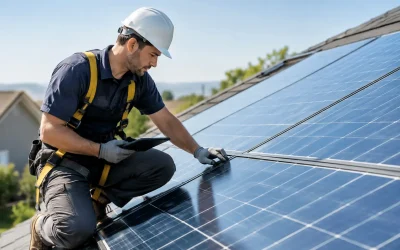
If your roof is aging, leaking, or showing widespread wear, address those issues before installation. This is especially relevant for commercial flat roofs, agricultural buildings, and older homes where structural condition may vary across the property. A contractor should evaluate the roofing material, slope, drainage, structural capacity, and access points before finalizing a design.
Shade deserves equal attention. Trees, chimneys, nearby buildings, vent stacks, and equipment can affect annual production. Some shading is manageable through panel layout and power electronics, but a heavily obstructed roof may not be the best location for solar. In those cases, a ground-mounted system, carport canopy, or another part of the property may produce better results.
How the Economics Work
The financial value of a solar project comes from the electricity it produces and the utility costs it helps you avoid. The more expensive your electricity is, and the more of your solar generation you can use on-site, the more attractive the project can become.
Homeowners often focus on lowering monthly bills. Commercial buyers may also look at demand charges, operating expense reductions, depreciation, and long-term budget predictability. Farms may use solar to offset daytime loads from irrigation, refrigeration, ventilation, or processing equipment. Government and institutional buyers may weigh public sustainability commitments alongside lifecycle costs.
Your savings will depend on several local factors. These include your utility’s rates, net metering or export-credit rules, time-of-use pricing, system size, and whether your property uses most of its energy during sunny hours. Two similar roofs in different utility territories can have very different project economics.
Federal tax incentives can materially improve the numbers for eligible projects, and state, local, and utility programs may provide additional value. Incentives change, and eligibility can depend on ownership structure, project type, labor requirements, and other details. Treat online estimates as a starting point, then ask a tax professional and your installer to explain the incentives that may apply to your situation.
Choosing Between Panels and Solar Shingles
Standard panels are usually the practical choice when performance and return on investment lead the decision. They provide proven technology, broad contractor familiarity, and straightforward maintenance. For buildings with a suitable roof and no strict design restrictions, they are often the fastest path to meaningful energy savings.
Solar shingles may make sense when visual integration matters most. A homeowner in a design-sensitive neighborhood, for example, may prefer a lower-profile system. They can also be worth considering during a full roof replacement, when roofing and solar work can be planned together rather than treated as separate projects.
There is a trade-off. Integrated products can have a higher upfront price, more specialized installation needs, and different repair considerations. Ask for an apples-to-apples production estimate, installed cost, warranty details, and expected payback for each option. A lower-profile design may be the right decision, but it should be a deliberate one.
Battery Storage Is a Separate Decision
Solar panels produce electricity when sunlight is available. A battery stores some of that electricity for later use, which can provide backup power during outages or help shift energy use away from expensive utility periods.
A battery is not required for solar roofing to save money. In many areas, a grid-connected solar system without storage is the most cost-effective setup. But backup power can be valuable for homes with medical equipment, businesses with critical loads, farms protecting livestock operations, or facilities that cannot afford frequent interruptions.
Be clear about what you want a battery to do. Running a few essential circuits during an outage is very different from powering an entire large home, warehouse, or agricultural operation. Your contractor should identify priority loads and explain how long they can run under realistic conditions.
Questions to Ask Before You Sign
Price matters, but the lowest quote is not automatically the best deal. A complete proposal should make it easy to understand what you are buying, how it will perform, and who will support it after installation.
Ask each contractor how much electricity the system is expected to generate each year and what assumptions were used. Request a clear equipment list, including panel and inverter models, as well as information about workmanship, roof penetration, equipment, and production warranties. Find out who handles permits, utility interconnection, inspections, and incentive paperwork.
It is also smart to discuss roof responsibility. If a leak occurs near a mounting point, you should know how the contractor will respond and what warranty applies. Commercial and agricultural buyers should ask about construction scheduling, site safety, equipment access, and whether operations can continue during installation.
For financed projects, review the full agreement rather than focusing only on the monthly payment. Compare the cash price, loan term, interest rate, dealer fees, estimated system production, and any escalator in a lease or power purchase agreement. Ownership, financing, leasing, and third-party power agreements can all work in the right circumstances, but they affect incentives, resale, and long-term savings differently.
Get Quotes Built Around Your Goals
The best solar project is designed for the property you have, not a generic package. A homeowner may want lower bills and backup power. A business may need a system that supports a capital plan and reduces peak costs. A farm may need durable equipment and a layout that works around daily operations.
Comparing multiple qualified providers helps you see where proposals align and where they differ. Look beyond the system size. Production estimates, equipment quality, service commitments, roof work, financing terms, and the installer’s experience with your property type all matter.
Solar Contractors can help you find professionals who understand residential, commercial, agricultural, and public-sector projects. Request a free consultation, compare clear proposals, and ask each provider to explain the numbers in plain language. The right contractor will not pressure you into a one-size-fits-all system. They will help you decide whether your roof is ready, what the project can realistically deliver, and what a smart next step looks like.