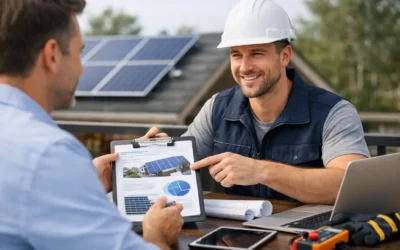
A cheap quote can look great until the system underperforms, leaks, or never delivers the energy savings you expected. That is why choosing the right solar water heating contractors matters as much as choosing the equipment itself. If you are planning a project for a home, business, farm, or public facility, the contractor you hire will shape system design, installation quality, code compliance, and long-term value.
Solar water heating is a practical upgrade when hot water demand is steady and utility costs are high enough to justify the investment. But it is not a one-size-fits-all purchase. Climate, roof space, water usage, backup heating, and local permitting all affect the right approach. A good contractor helps you sort through those variables without turning the process into a technical maze.
What solar water heating contractors actually do
Many buyers assume solar water heating is just a panel on the roof connected to a tank. In reality, the job usually includes site evaluation, system sizing, equipment selection, structural review, plumbing integration, controls, permits, and startup testing. Experienced solar water heating contractors do more than install hardware. They assess whether your property is a good fit and whether the expected savings justify the project.
For a homeowner, that may mean evaluating how many people use hot water, when demand peaks, and whether the existing water heater can work as backup. For a commercial building, the conversation is often about occupancy patterns, available mechanical space, and payback period. For farms and public-sector properties, reliability, freeze protection, and maintenance access may matter just as much as energy savings.
That difference in project type is worth paying attention to. A contractor who mainly works on single-family homes may not be the best fit for a hotel, school, or agricultural operation with heavy daily hot water loads.
Start with fit, not just price
Price matters, but it should not be your first filter. The better place to start is contractor fit. Ask whether the company has completed solar water heating projects similar to yours in size and use case. That one detail can tell you more than a low bid ever will.
A residential system may be fairly straightforward if the roof has good sun exposure and the plumbing layout is simple. A larger building with recirculation loops, multiple storage tanks, or irregular demand patterns is more complex. The right contractor should be able to explain how they would design around those conditions in plain language.
This is also where directories and quote comparison tools can save time. Instead of calling random companies and hoping they handle your type of project, you can focus on contractors that already serve your segment and compare multiple proposals side by side.
Questions to ask solar water heating contractors
Good contractors should welcome informed questions. You do not need to be an engineer, but you do need enough detail to compare proposals fairly.
Ask what type of system they recommend and why. Some properties are better suited to active systems with pumps and controls, while others may benefit from simpler configurations. In colder regions, freeze protection is a major design factor. In warmer climates, the conversation may focus more on collector performance and storage capacity.
Ask how the system will integrate with your existing water heater. Most solar water heating systems rely on a backup source for cloudy days or peak demand. If the contractor cannot clearly explain that relationship, keep looking.
Ask about permits, inspections, and code requirements. A strong contractor handles these steps routinely and can tell you what local approval timelines usually look like.
Ask what kind of monitoring, warranty coverage, and maintenance the system will need. Solar water heating can reduce utility costs, but it is still a mechanical system. Pumps, valves, sensors, and tanks may need service over time. You want realistic expectations, not sales talk.
What affects cost and savings
If you get three quotes, expect them to vary. That does not automatically mean one contractor is overcharging. System cost changes based on collector type, tank size, roof conditions, plumbing complexity, labor rates, permit requirements, and whether structural upgrades are needed.
Savings vary too. A property with high and consistent hot water use often gets better value from solar water heating than one with sporadic demand. That is why schools, multifamily buildings, hotels, laundries, farms, and some public facilities can be strong candidates. On the other hand, a property with low hot water use may take longer to see a strong return.
The smartest way to compare quotes is to look beyond the total number. Compare system size, estimated output, assumptions about hot water demand, equipment brands, warranty terms, and what is included in the installation scope. One proposal may include controls, insulation upgrades, and permit management, while another leaves those costs for later.
Watch for red flags during the sales process
You can usually learn a lot before anyone steps on the roof. If a contractor gives a firm recommendation without asking about your current water heating setup, occupancy, usage patterns, or site conditions, that is a warning sign. So is a quote that feels vague on equipment, labor, or performance expectations.
Be careful with promises that sound too clean. No contractor can guarantee identical savings for every property, because hot water use, weather, and system maintenance all affect results. Honest professionals talk through the upside and the limitations.
It is also worth paying attention to communication. If scheduling is chaotic, answers are unclear, or documents arrive incomplete before the contract is signed, those problems rarely improve after installation begins.
Why project type matters more than most buyers realize
Solar water heating is often discussed as if all properties use hot water the same way. They do not. A single-family home may have morning and evening peaks. A restaurant or hospitality property may have more consistent demand. A farm may need hot water tied to sanitation or processing. A municipal or institutional facility may require more formal procurement, documentation, and maintenance planning.
That is why contractor specialization matters. The best match is not always the biggest company or the cheapest quote. It is the contractor who understands your type of property, your usage profile, and your goals.
If your priority is lower monthly operating costs, the contractor should be able to show how the system is expected to reduce conventional water heating loads. If your priority is sustainability reporting or facility modernization, they should understand that context too. A practical contractor aligns the design with the reason you are buying.
Compare quotes with a decision framework
When you review proposals, think in terms of value rather than sales pitch. A strong quote should explain the recommended system clearly, show how it fits your property, outline expected production or offset, and spell out the installation scope.
You should also weigh softer factors. Did the contractor listen? Did they explain trade-offs? Did they answer questions directly? Those details matter because solar water heating is not just a product purchase. It is a service relationship that starts with design and may continue through maintenance and support.
For many buyers, the best next step is to request multiple quotes and compare them side by side. That gives you a realistic picture of pricing, system options, and contractor experience without slowing the project down. Platforms like Solar Contractors can make that process easier by helping you Find A Contractor and request a Free Consultation based on your project type.
The right contractor makes the system worth it
A solar water heating project should leave you with more than equipment on the roof. It should give you a system that matches your property, lowers avoidable energy costs, and performs reliably over time. The right contractor brings that outcome into focus by asking good questions, designing around real conditions, and setting honest expectations from the start.
If you are comparing options now, take the extra step to vet experience, review scope details, and get more than one quote. A better decision at the contractor stage usually leads to better savings, fewer headaches, and a project you feel good about long after installation day.