A solar collector on a roof can do two very different jobs. It can heat water directly, or it can generate electricity for lights, equipment, HVAC, and everything else that plugs in. That distinction is at the heart of solar thermal vs photovoltaic decisions, and it affects your project cost, available savings, equipment needs, and the type of contractor you should hire.
For most US property owners, photovoltaic solar is the more familiar option. But solar thermal can be a highly effective choice when a property uses large amounts of hot water or has a specific heating need. The right answer depends less on which technology is “better” and more on what your property needs every day.
Solar thermal vs photovoltaic: the core difference
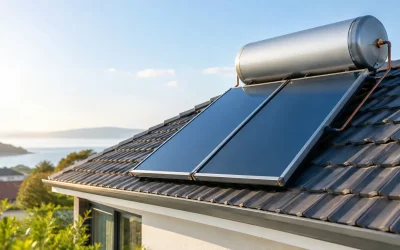
Solar thermal systems capture the sun’s heat. They use solar collectors, piping, pumps, controls, and a storage tank to heat water or another fluid. That heat may be used for domestic hot water, pool heating, space heating support, agricultural operations, or certain commercial processes.
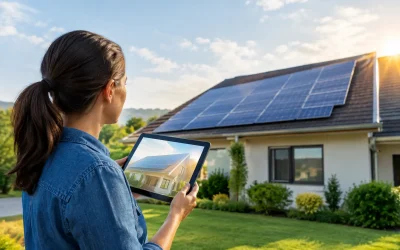
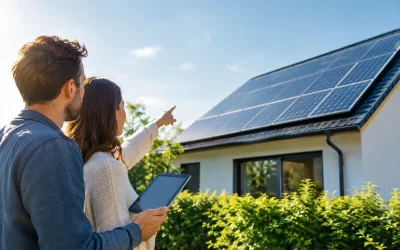
Photovoltaic, often called solar PV, converts sunlight into electricity. Solar panels send power to an inverter, which produces usable electricity for the property. A PV system can reduce electricity purchased from the grid, support battery storage, and in some cases send excess production back to the utility.
Put simply: solar thermal makes heat, while photovoltaic makes electricity. A property can use both, but they solve different energy problems.
When solar thermal makes financial sense
Solar thermal is most compelling when hot water is a major, predictable expense. A typical household with modest hot-water use may find that a PV system offers more flexibility and easier long-term value. A hotel, apartment building, laundromat, food facility, dairy operation, recreation center, or community pool may see a stronger case for thermal because their hot-water demand is much higher.
For pool owners, solar pool heating is often one of the most straightforward solar thermal applications. The system circulates pool water through roof-mounted collectors, using the sun to extend the swimming season without relying as heavily on gas or electric heating.
Commercial and agricultural users should also look closely at their fuel source. If water heating currently depends on expensive propane, fuel oil, or electric resistance heaters, reducing that load can create meaningful savings. The economics may be less attractive where low-cost natural gas is readily available, although usage volume, local rates, incentives, and system design still matter.
Solar thermal systems are not maintenance-free. Pumps, valves, fluids, controls, and plumbing components need proper installation and periodic inspection. In colder climates, systems must be designed to prevent freezing. This is not a reason to rule out thermal, but it is a reason to work with a contractor who understands hydronics, local weather conditions, roof loads, and the building’s hot-water profile.
Common solar thermal uses
Residential solar thermal is most often used to preheat domestic hot water or heat a swimming pool. On larger properties, it may support central hot-water systems, radiant heating, washdown operations, or process heat.
The best projects usually have consistent demand. A system that produces hot water when nobody needs it will not deliver the same value as one sized around daily or seasonal use. For example, a seasonal pool has a clear solar thermal use case, while a vacant building with low water consumption does not.
Why photovoltaic is the default choice for many properties
PV has become the go-to solar option because electricity serves so many purposes. A single array can offset power used by appliances, lighting, refrigeration, irrigation pumps, office equipment, electric vehicles, and cooling systems. It can also work with batteries when backup power or energy management is a priority.
For homeowners, photovoltaic systems are usually easier to understand: panels generate electricity, the property uses it first, and the grid supplies power when solar production is low. Depending on utility rules, excess electricity may receive bill credits. Those rules vary by state and utility, so projected savings should always be based on the current local rate structure.
Businesses, farms, schools, municipalities, and other institutions often choose PV because it can lower operating costs across a broad range of loads. A farm may use solar electricity for irrigation, ventilation, refrigeration, and shop operations. A commercial facility may offset peak daytime usage. A public agency may use solar to reduce long-term facility expenses and demonstrate energy leadership.
PV generally has fewer moving parts than an active solar thermal system. Panels and inverters still require professional design, monitoring, and occasional service, but the system does not rely on hot-water tanks, circulation pumps, or freeze protection in the same way. That simplicity can be valuable for property owners who want a versatile energy upgrade with predictable maintenance needs.
Compare costs, savings, and payback realistically
Comparing solar thermal and PV only by installation price can lead to the wrong decision. The better comparison is the value of the energy each system replaces.
A solar thermal system replaces fuel or electricity used specifically for heating water. Its savings depend on how much hot water you use, when you use it, the efficiency of the existing water heater, and the cost of the fuel being replaced. A photovoltaic system offsets electric consumption more broadly, so its value depends on your electric rates, consumption pattern, utility billing structure, array orientation, shading, and available incentives.
Both systems may qualify for federal, state, local, utility, or sector-specific incentives, but eligibility rules can change. Tax credit availability, equipment requirements, prevailing wage rules for larger projects, and ownership structure can all affect the final economics. Commercial, agricultural, and public-sector buyers may have financing and incentive options that differ from those available to homeowners.
Ask every contractor for a clear proposal that shows system size, expected annual production or heat output, assumptions used for utility or fuel prices, estimated maintenance, warranties, incentives, and the projected payback period. If a proposal promises savings without explaining the assumptions, request more detail before moving forward.
Roof space and site conditions matter
Both technologies need access to sunlight, but their site requirements are not identical. South-facing roof areas are often useful, though east- and west-facing PV arrays can also perform well depending on utility rates and the property’s daily load profile. Shading from trees, chimneys, nearby buildings, silos, and rooftop equipment can reduce output.
Solar thermal collectors may require a location near the water-heating equipment or carefully planned piping runs. Long pipe runs can increase cost and heat loss. The storage tank also needs indoor or protected space, which can be a limiting factor in smaller homes and crowded mechanical rooms.
PV needs room for panels and electrical equipment, including an inverter and disconnects. Battery storage, if included, requires additional space and must meet applicable fire, electrical, and building requirements. For ground-mounted systems, land availability, trenching, drainage, fencing, and site access become part of the project plan.
How to choose between solar thermal and PV
Start with your energy bills, not the equipment. Review at least 12 months of electric, gas, propane, or other fuel usage. Then identify the biggest cost driver. Is your property spending heavily on electricity throughout the day? Is hot water the major expense? Do you need backup power, pool heat, or both?
PV is usually the stronger starting point when the goal is to reduce overall electric bills, add battery backup potential, or electrify more of the property over time. It is particularly flexible for homes, offices, retail buildings, farms, and public facilities with meaningful daytime electricity use.
Solar thermal deserves serious consideration when water heating is a large and steady energy load. It can be a focused, efficient solution for pools and hot-water-intensive properties. In some cases, a hybrid approach works best: solar thermal for a high-volume hot-water need and PV for the rest of the property’s electricity use.
Do not assume the same answer applies to every building in a portfolio. A school with a large locker-room water load may have different priorities than an administrative office. A dairy farm may have different opportunities than a grain operation. A qualified contractor can assess consumption, roof or land conditions, mechanical equipment, utility rules, and project goals before recommending a system.
Get proposals built around your actual energy use
The most useful solar quote is not the lowest number on a page. It is a proposal that explains what the system will do for your property, what it will not do, and how the projected savings were calculated. For solar thermal, ask about freeze protection, tank capacity, maintenance, and backup heating. For PV, ask about shading analysis, inverter warranty, production estimates, utility interconnection, and battery options.
Solar Contractors can help property owners connect with professionals who serve residential, commercial, agricultural, and public-sector projects. Comparing multiple qualified perspectives gives you a better view of appropriate system sizing, installation scope, and realistic financial outcomes.
A good solar project begins with a clear picture of the energy you want to replace. Find a contractor who asks the right questions, reviews your bills, and designs around the way your property actually operates.