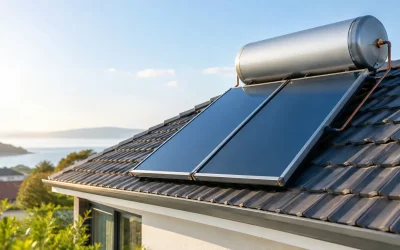
A solar project can look very different on paper than it does after the panels are installed. The right equipment matters, but the installer determines how well the system is designed, permitted, connected, and supported over time. That is why a solar installer directory review should focus on more than who appears first in a search result. It should help you identify contractors that fit your property, project scope, and financial goals.
Whether you are planning solar for a home, warehouse, farm, school, or municipal facility, a directory can shorten the research process. The value comes from using it carefully: comparing relevant providers, asking for detailed proposals, and making sure each contractor is equipped to handle your type of installation.
What a Solar Installer Directory Should Help You Do
A useful directory does not replace contractor due diligence. It gives you a faster, more organized starting point. Instead of collecting names from scattered advertisements and general searches, you can look for professionals by location and project category, then request consultations from providers that match your needs.
For homeowners, that may mean finding installers familiar with roof-mounted systems, battery storage, local utility rules, and available incentives. A commercial property owner may need a contractor with experience designing around demand charges, flat roofs, multiple meters, or a larger electrical service. Agricultural operations often need practical answers about ground mounts, irrigation loads, barns, open land, and seasonal energy use. Public agencies and institutions may need help with procurement requirements, public bidding, and long-term operating goals.
The best directory experience makes those distinctions easier to recognize. It should guide you toward contractors that serve your market segment rather than treating every solar project as the same job.
Solar Installer Directory Review: The Details That Matter
When reviewing a directory, start with the quality and usefulness of the contractor information. A listing with a name and phone number is a lead. A listing that clarifies service areas, installation types, credentials, project experience, and consultation options gives you a stronger basis for comparison.
Look for signs that the directory is designed around real project matching. Can you identify residential, commercial, agricultural, or government-focused contractors? Does the process allow you to explain your property type and energy goals? Can you request quotes from more than one provider without repeating the same research steps?
Convenience is valuable, but clarity is what protects your budget. A directory should make it easier to start conversations with installers who can assess your property, not pressure you into accepting a generic offer.
Check whether contractors match your project type
Solar installation is not one-size-fits-all. An installer that completes excellent residential roof projects may not be the best fit for a 250-kilowatt commercial array or a farm system with ground-mount requirements. Experience with your specific project type can affect system design, timelines, permitting, and the contractor’s ability to anticipate site issues.
As you compare listings, look for relevant experience rather than relying only on broad claims. A business owner should ask about commercial references, prior work on similar roof materials, production analysis, and coordination with facility operations. A farm owner may want to discuss equipment access, land use, electrical loads, and whether the design leaves room for future expansion.
If your project includes battery storage, electric vehicle charging, a carport, or a ground-mounted array, say so early. Specialized features can change the installer you choose and the questions that belong in the proposal.
Confirm service area and local knowledge
Solar incentives, permitting rules, interconnection procedures, and utility rates vary by state and even by municipality. A contractor does not have to be headquartered in your town to be a strong choice, but they should be prepared to work within the requirements that apply to your property.
Ask each installer how they handle permits and utility interconnection. Find out who is responsible for submitting paperwork, responding to corrections, scheduling inspections, and monitoring the approval process. A clear answer is more useful than a vague assurance that the contractor will “take care of everything.”
Local experience can also improve the accuracy of the proposal. Roof conditions, weather patterns, utility policies, and local inspection practices all influence the schedule and final scope of work.
Compare proposals, not just prices
A quote comparison is one of the most practical reasons to use a solar directory. Still, the lowest number is not automatically the best value. Two proposals can have very different equipment, production estimates, warranties, financing terms, and assumptions about electrical upgrades or roof repairs.
Ask each contractor to explain the proposed system size, expected annual production, panel and inverter models, workmanship warranty, and estimated installation timeline. Make sure you understand whether the price includes permitting, design, installation, utility interconnection, monitoring, and any required electrical work.
If you are considering financing, compare the total cost over time as well as the monthly payment. A lower payment can sometimes result from a longer term or a higher overall cost. For commercial, agricultural, and institutional buyers, request a financial view that accounts for your organization’s energy use, tax situation, and capital planning process. The right structure depends on the property owner, available incentives, and how long you expect to own the system.
Look for a clear consultation process
A quality contractor should begin by learning about your property rather than immediately recommending a fixed system size. A productive consultation usually includes a review of recent electricity use, an assessment of the site, discussion of your goals, and a realistic explanation of what may affect the final design.
Be cautious when an estimate is presented as final before the installer has evaluated the roof, electrical equipment, shading, or site access. Early estimates are helpful, but a professional contractor will explain what must be confirmed during a site visit.
A directory with a straightforward quote-request process can help you begin these conversations efficiently. At Solar Contractors, property owners can use one request to connect with solar professionals and compare options based on their project needs.
Questions to Ask Before You Choose an Installer
Once you have narrowed your choices, the conversation should become more specific. You do not need to be a solar expert to ask direct questions and expect direct answers. Focus on the items that affect cost, performance, and accountability:
- What systems like mine have you installed, and can you share relevant project examples?
- What equipment are you proposing, and why is it a fit for my property and energy use?
- What production estimate are you using, and what assumptions could change it?
- Which permits, utility applications, inspections, and fees are included in the proposal?
- What warranties cover the panels, inverters, battery if applicable, and installation labor?
- Who will perform the installation work, and who will be my contact after the system is operating?
Pay attention to how the contractor responds. A good installer can explain trade-offs in plain language. For example, a larger system may provide more production but may not be the best financial fit if your utility limits net metering credits. Premium equipment may offer a longer warranty or better performance in certain conditions, but it may also raise upfront cost. The best recommendation is tied to your property and priorities, not a universal sales pitch.
Watch for Gaps That Can Create Expensive Surprises
A directory helps you find candidates, but the final decision belongs to you. Before signing, read the full agreement and verify that major assumptions are documented. This includes the system size, equipment, estimated production, payment schedule, scope of electrical work, warranty terms, and who is responsible for any roof-related repairs.
Ask what happens if permitting takes longer than expected, the utility requires upgrades, or the site inspection reveals a problem. Not every issue can be predicted upfront, especially on older properties or complex commercial sites. What matters is whether the contractor describes the possibility clearly and provides a process for handling changes.
You should also confirm the contractor’s licensing and insurance requirements for your state and project type. For larger projects, ask whether the installer will provide certificates of insurance, detailed scheduling, and a clear process for coordinating with your operations team.
Turn Your Search Into a Better Solar Decision
The purpose of using a directory is not to choose an installer in five minutes. It is to spend your time where it has the most value: comparing capable providers, reviewing clear proposals, and choosing a system that supports lower energy costs and long-term property goals.
Start with a few contractors that serve your area and project type, then request a free consultation. The right installer will make the next steps easier to understand, give you room to compare, and help you move forward with confidence.