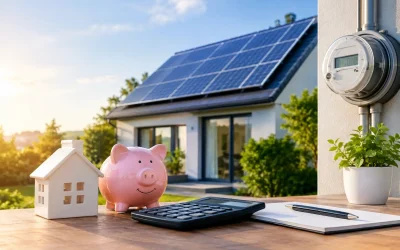
A rooftop that only absorbs heat is a missed operating asset. Solar for apartment complexes can turn available roof space, carports, and open land into a source of lower electricity costs, stronger property positioning, and more predictable utility expenses. For owners and managers, the real question is not whether solar works. It is whether the project structure works for your building, utility rates, tenants, and investment goals.
Apartment properties have a different solar equation than single-family homes. Electricity may serve common areas, individual units, or both. The person paying for the system may not be the person receiving every bill reduction. A successful project starts by matching the solar design and ownership model to that reality.
Why Apartment Owners Are Looking at Solar
Multifamily properties often carry large, recurring electrical loads. Hallway lighting, elevators, laundry rooms, leasing offices, parking-area lights, pool equipment, security systems, HVAC, and domestic hot-water equipment can create substantial common-area consumption. Solar can offset a portion of that demand and reduce the utility costs paid directly by the property owner.
That is the simplest case, but it is not the only one. In markets with virtual net metering, community solar programs, or tenant-meter aggregation options, a project may also provide value to residents. Program rules differ by state and utility, so an installer with multifamily experience should confirm what is allowed before projected savings are presented as guaranteed.
The financial appeal can extend beyond monthly bills. Solar may help a property stand out to residents who value lower utility expenses and more sustainable housing. It can also support environmental, social, and governance goals for ownership groups with broader portfolio commitments. For many properties, the strongest benefit is practical: lower operating expenses can improve net operating income, which may support property value.
How Solar for Apartment Complexes Can Be Structured
There is no single arrangement that fits every apartment community. The best choice depends on who owns the meters, available capital, applicable incentives, and the owner’s preferred timeline for returns.
Owner-Purchased Systems
With a direct purchase, the property owner pays for the system upfront or finances it with a loan. The owner receives the energy savings and may be able to claim eligible federal tax incentives, depreciation benefits, and state or local incentives. This route can produce the strongest long-term return, especially for properties with high common-area electric use.
The trade-off is the upfront investment and the need to manage the project as a capital improvement. Owners should compare projected production, financing costs, roof work, insurance requirements, maintenance expectations, and the value of available incentives. A proposal with a low equipment price is not always the lowest-cost project over its full life.
Power Purchase Agreements and Solar Leases
Under a power purchase agreement, or PPA, a third party typically owns and maintains the solar equipment. The property purchases the electricity generated by the system at an agreed rate. A solar lease follows a similar concept, usually with a fixed payment structure.
These options can reduce or eliminate upfront costs, making them useful for owners who want savings without deploying significant capital. However, the owner may receive less of the long-term financial upside than with direct ownership. Contract terms deserve careful review, particularly escalation clauses, system-performance guarantees, transfer terms if the property is sold, and end-of-contract options.
Community Solar and Shared-Savings Programs
Not every property has a suitable roof. Shade, structural limitations, short remaining roof life, or limited electrical capacity can make on-site solar difficult. Where available, community solar may allow apartment owners or tenants to subscribe to an off-site solar project and receive bill credits.
This approach does not improve the building itself in the same way an on-site array can, but it may still provide utility savings and a renewable-energy option. Availability and subscriber rules are highly location-specific, so local expertise matters.
Start With the Building, Not the Panels
A credible multifamily solar proposal begins with the property’s energy and physical conditions. An installer should review at least 12 months of utility data, identify common-area and tenant-meter loads, inspect the roof or carport area, and evaluate electrical infrastructure. That assessment determines whether the system should serve a house meter, multiple meters, or a combination of uses.
Roof condition is especially important. If replacement is likely within the next several years, it is usually smarter to coordinate roofing and solar work rather than pay to remove and reinstall panels later. Structural engineering, fire setbacks, drainage, equipment access, and local code requirements also affect usable space and cost.
Utility interconnection should be evaluated early. A system may look excellent on paper but face limits related to transformer capacity, export rules, or lengthy approval timelines. A qualified contractor can identify these risks before the project reaches the construction stage.
Incentives Can Change the Economics
Federal, state, utility, and local incentives can materially affect a project’s return. The federal Investment Tax Credit has historically been a major driver for commercial and multifamily solar, while depreciation may create additional value for eligible owners. Some projects may qualify for bonus incentives tied to prevailing wage and apprenticeship requirements, domestic content, or qualifying locations.
Eligibility depends on ownership structure, tax position, project size, and current law. A PPA provider may monetize incentives differently than a building owner that purchases a system. Nonprofit and public-sector owners may have access to direct-pay pathways under certain circumstances. The point is not to assume every incentive applies. It is to ask for a clear, written explanation of which incentives are included in the financial model and who receives them.
State programs can be equally influential. Rebates, solar renewable energy credits, property-tax treatment, and net-metering rules vary widely. The right contractor will build projections around your actual utility territory rather than a generic national savings estimate.
Tenant Benefits Need a Clear Plan
Apartment solar can create a split-incentive problem: the owner funds the system while tenants pay their own electric bills. That does not make a project unworkable. It simply means the project needs a clear value path.
For a common-area system, owners may recover their investment through lower operating costs, better amenity positioning, or reduced pressure on rents and fees. For systems designed to benefit residents, owners need to understand local billing rules, resident enrollment requirements, and how savings will be communicated fairly.
Avoid vague claims such as “free electricity for tenants” unless the program and metering arrangement actually support that outcome. Straightforward communication builds trust: explain what solar does, which meters it serves, how credits are calculated, and what residents should expect to see on their bills.
What to Ask Before Choosing a Contractor
Multifamily solar is not just a larger residential project. Choose a contractor that can show experience with apartment buildings, commercial electrical work, and local utility interconnection. Ask for examples of similar properties and request production estimates based on your site, not broad averages.
You should also ask who handles permitting, engineering, interconnection applications, incentive paperwork, monitoring, warranty service, and roof coordination. Clarify the timeline from contract to energization, as well as any conditions that could change the final price. If financing is involved, compare total payment obligations and projected savings under conservative utility-rate assumptions.
Most importantly, request multiple proposals in the same format. Compare system size, expected annual production, assumed utility rates, equipment warranties, financing terms, incentive assumptions, and what happens if the system underperforms. A clear comparison makes it easier to spot a meaningful difference and avoid choosing solely on the lowest upfront number.
Make the Next Move With Better Information
Solar is most compelling when it solves a real property problem: high common-area bills, an aging energy strategy, tenant demand for better amenities, or pressure to improve operating performance. The right project may be a rooftop array, solar carports, a PPA, or an off-site subscription. It depends on your property and your market.
Before committing, get a site-specific assessment and compare qualified professionals who understand multifamily requirements. Solar Contractors can help you find installers who can evaluate your apartment complex, explain the options in plain language, and provide a free consultation. A few well-matched quotes can turn an underused roof into a more productive part of the property.