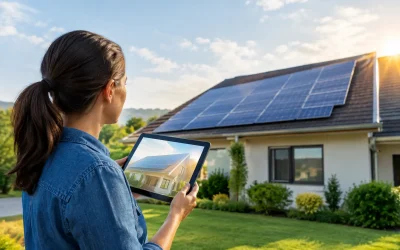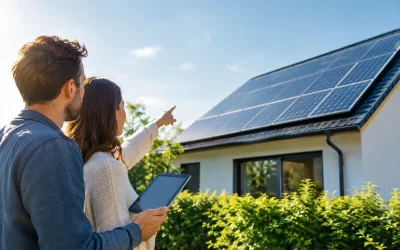
A south-facing roof can look like the obvious place for solar panels. But a shaded roof, aging shingles, limited usable surface, or a large piece of open land can change the math quickly. When comparing rooftop solar vs ground mount, the best option is the one that produces reliable energy at a cost that makes sense for your property, goals, and timeline.
For many homeowners, the roof is the simplest path. For farms, businesses, institutions, and rural properties, a ground-mounted system may offer more design freedom and stronger production. The right answer depends on your site, not a one-size-fits-all rule.
Rooftop solar vs ground mount: the key difference
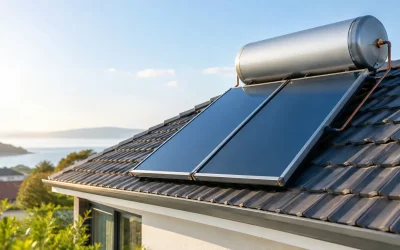
Rooftop solar attaches panels directly to a home, business, barn, warehouse, or other building. It uses space that is already part of the property, which can make it an efficient choice where land is limited. Most rooftop systems are fixed in place and follow the roof’s existing angle and orientation.
Ground-mounted solar is installed on a rack system anchored into the soil, concrete piers, helical piles, or ballasted foundations. Panels can be placed in the most favorable location on the property and set at an angle that supports annual energy production. Some larger projects also use tracking equipment that moves panels to follow the sun, though this adds cost and maintenance.
The basic trade-off is straightforward: rooftop systems generally make better use of existing space, while ground mounts give designers more control over panel placement, tilt, access, and system size.
When rooftop solar is the practical choice
A roof-mounted system often makes sense when the roof has good sun exposure, enough unobstructed area, and a remaining service life that matches the solar investment. A newer roof facing south, southwest, or west with little shade can be an excellent solar asset.
The biggest advantage is land preservation. Homeowners can add solar without giving up yard space, and commercial owners can generate electricity without changing parking, storage, access roads, or operations. This is particularly valuable in dense neighborhoods, small lots, and facilities where every square foot has a job to do.
Rooftop solar may also involve less site work. There is no need to trench across a large property or clear vegetation for a separate array location. Depending on the project, this can reduce installation complexity and keep the visual footprint contained.
That said, roofs place real limits on a system. Vents, skylights, chimneys, HVAC equipment, dormers, parapet walls, and fire-access pathways can reduce the available panel area. A roof’s slope may not be ideal, and a roof facing east or west may produce less than a well-oriented south-facing array, although it can still be financially worthwhile.
Roof condition matters just as much. Installing panels on a roof that needs replacement in a few years can create an avoidable expense because the panels may need to be removed and reinstalled for roofing work. A qualified installer should assess roof age, material, structural capacity, and shade before recommending a final design.
When a ground-mounted system can deliver more value
Ground mount solar is often the stronger choice when the building roof is shaded, structurally unsuitable, too small, or nearing replacement. It can also be ideal for properties with open acreage and energy demand that exceeds what the roof can support.
Because the array does not have to follow a roofline, the installer can position it for better exposure. Panels can be set at an appropriate tilt, oriented toward the strongest sunlight, and spaced to reduce row-to-row shading. This can improve annual production and make it easier to build a system sized around your electricity use rather than your roof geometry.
Access is another practical benefit. Ground-mounted panels are easier to inspect, clean where cleaning is appropriate, and service without sending crews onto a roof. For agricultural operations, schools, municipal sites, warehouses, and larger commercial facilities, that accessibility can simplify long-term ownership.
Ground mounts do require suitable land. The site needs room, dependable sun, manageable terrain, and enough separation from trees, buildings, fences, drainage areas, and utility infrastructure. The system may also require trenching to connect the array to the electrical service, which can add meaningful cost on a large parcel.
A ground array changes how land is used. On a farm, it may occupy acreage that could otherwise support crops, grazing, equipment movement, or future expansion. In a residential setting, it may affect views, landscaping, and backyard use. These are not automatic deal-breakers, but they should be part of the decision before moving forward.
Cost: look beyond the panel price
Both options can qualify for available federal incentives when the project and taxpayer meet program requirements. State, local, utility, and commercial incentives vary by location and may affect the final economics. A solar contractor can help identify likely programs, but tax and legal questions should be reviewed with the appropriate advisor.
Rooftop installations are often less expensive when the roof is straightforward and close to the electrical equipment. However, difficult roof layouts, steep pitches, multiple stories, structural upgrades, or specialized mounting requirements can raise the price.
Ground-mounted systems commonly cost more per watt because of racking, foundations, site preparation, trenching, and longer electrical runs. Yet a ground mount may produce more power per installed panel if it avoids roof shade and allows better orientation. That higher output can narrow the cost gap over time.
For commercial, agricultural, and public-sector buyers, system size can shift the calculation further. A roof may only accommodate a fraction of the capacity needed to offset a facility’s usage. In that case, a ground mount can be the more useful investment even if its upfront price is higher.
The comparison should focus on estimated annual production, installed cost, financing terms, incentive eligibility, utility rates, and expected payback. The lowest proposal is not always the best value if it produces less energy or leaves a major portion of your electricity use uncovered.
Production depends on sunlight, not installation type alone
A common assumption is that ground-mounted solar always produces more than rooftop solar. It can, but only because it is often easier to place and angle correctly. A clear, well-oriented rooftop array may outperform a ground mount installed on a partially shaded or poorly located piece of land.
Shade is one of the first factors to evaluate. Trees that look harmless in winter can cast substantial shade once leaves return. Nearby buildings, silos, utility poles, and roof equipment can also affect output. A professional site assessment should account for shade through the year, not just what is visible during a single visit.
Panel orientation matters too. In much of the United States, south-facing panels tend to maximize total annual production. East- and west-facing panels can still work well, especially for customers who want more production in the morning or late afternoon when utility rates are higher. Ground mounts provide more flexibility for these choices, but a good contractor can often optimize a rooftop design within its constraints.
Permitting, maintenance, and property considerations
Every project must meet local zoning, building, electrical, and utility interconnection requirements. Rooftop systems may trigger structural review and fire-setback rules. Ground arrays may involve setbacks, height limits, screening requirements, drainage considerations, or zoning approval, especially for larger systems.
Homeowners should also check HOA rules before committing to a design. Commercial owners and public entities may need to coordinate with facilities teams, insurers, engineers, and procurement requirements. Agricultural operators should consider equipment access, livestock protection, fencing, and how the array fits into daily work.
Maintenance needs are usually modest for both system types. Panels do not require routine cleaning in every climate, and rainfall often handles normal dust. Still, ground-mounted systems are easier to access for inspections and repairs. Rooftop systems keep panels out of the way but can make service work more involved.
How to choose the right solar setup
Start with the site you have, then compare options based on real production estimates. If your roof is structurally sound, relatively new, and receives strong sun, rooftop solar may be the fastest and most space-efficient choice. If your roof is shaded, undersized, or complicated, open land may provide a better path to meaningful energy savings.
It is also possible to use both. A combined rooftop and ground-mounted design can help a business, farm, or institution maximize available capacity while balancing land use and installation cost.
Request proposals that clearly show system size, estimated yearly output, equipment, warranties, site work, permitting assumptions, and total installed price. Ask each contractor why they selected the proposed location and whether another layout could improve production or reduce cost. Comparing more than one qualified professional gives you a clearer picture of what your property can support.
Solar is not just a panel decision. It is a property decision with long-term financial impact. Find a contractor who can evaluate your roof, land, energy use, and local requirements together, then build a plan that makes your next electric bill look a little more manageable.