Your electric bill may be telling you one thing while your roof tells you another. That is why community solar vs rooftop is not just a solar question – it is a property question, a budget question, and sometimes a timing question.
For some buyers, rooftop solar is the clear winner because it turns unused roof space into long-term savings and can increase property value. For others, community solar makes more sense because there is no installation on site, no concern about roof condition, and often a faster path to participation. The better option depends on what you own, how long you plan to keep it, and how much control you want over the system.
Community solar vs rooftop: the basic difference
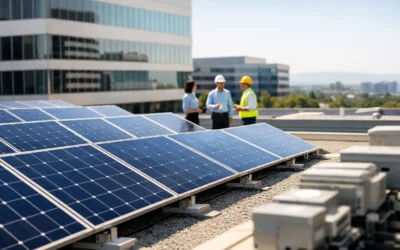
Rooftop solar means panels are installed directly on your home, business, barn, municipal building, or other property. The electricity those panels produce is tied to your site, and the value usually shows up through lower utility bills, tax incentives, and long-term energy cost control.
Community solar works differently. Instead of putting panels on your building, you subscribe to or buy a share in a larger off-site solar project. The solar farm sends power into the grid, and your share is credited on your utility bill based on the program structure in your area.
Both options can reduce energy costs and support clean energy goals. The big difference is ownership and location. Rooftop is property-based. Community solar is subscription-based in most cases.
When rooftop solar usually makes more sense
If you own your property and have a roof, carport, or open land with good sun exposure, rooftop solar often delivers the strongest long-term value. You are investing in an asset that serves your building directly. That matters to homeowners who expect to stay put, businesses with stable facilities, and farms with heavy daytime energy use.
Rooftop solar also gives you more control. You can size the system around your usage, pair it with battery storage, and choose equipment based on your goals. A commercial property owner might prioritize demand reduction and operating savings. A farm might focus on powering irrigation, cold storage, or processing equipment. A school or government facility may care about predictable budgeting over decades.
There is also a property-value angle. A well-designed rooftop system can make a building more attractive to future buyers who value lower operating costs. That benefit varies by market, but it is part of the equation for many owners.
The trade-off is simple. Rooftop requires a suitable site and upfront planning. If your roof is shaded, aging, undersized, or structurally limited, the numbers can shift fast.
When community solar usually makes more sense
Community solar is often the practical answer when solar interest is high but property conditions are not ideal. If you rent, have a multi-tenant arrangement, own a building with a poor roof, or simply do not want an installation on site, community solar can open the door.
This can be especially appealing for small businesses leasing space, nonprofits with limited capital budgets, apartment residents, and institutions that want bill savings without managing a construction project. It can also help property owners who expect to move before a rooftop system reaches full payback.
In many programs, the barrier to entry is lower than a full installation. There is usually no roof work, no permitting on your property, and less operational responsibility. That makes community solar attractive for people who want savings and sustainability without owning equipment.
The trade-off is that you usually have less control. Savings depend on program terms, utility rules, subscription availability, and state regulations. You are participating in solar, but you are not building equity in a system on your property.
Cost and savings are not the same thing
This is where many comparisons go sideways. People ask which option is cheaper, but the better question is how the money works over time.
Rooftop solar often requires a larger upfront commitment unless it is financed or leased. In return, it may offer higher long-term savings, especially if your system offsets a large share of your usage and you qualify for tax incentives. For commercial, agricultural, and public-sector buyers, the financial picture may also include depreciation, grants, or specialized funding structures.
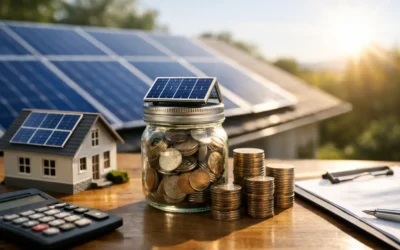
Community solar usually involves lower upfront cost because you are subscribing rather than installing. Savings may begin sooner with less friction, but they are often more modest and tied to the subscription agreement. You are reducing bills, not creating an on-site energy asset.
That does not make one better in every case. If preserving cash is the priority, community solar may win. If maximizing lifetime return is the goal and the site works, rooftop often has the edge.
The role of tax incentives and ownership
Ownership matters because incentives often follow ownership. With rooftop solar, homeowners, businesses, farms, and institutions may be able to capture federal, state, and local incentives depending on project type and eligibility. Those incentives can materially improve payback.
With community solar, the incentive structure is less direct for the subscriber. The project owner may receive the tax benefits, and subscriber savings are reflected through bill credits or pricing discounts instead. For some buyers, that is perfectly fine because they want simplicity more than system ownership.
If incentives are a major driver for you, do not assume both options are equal. They are not. The details can change by state, utility, ownership model, and customer type.
Community solar vs rooftop for different property types
For homeowners, rooftop solar is usually strongest when the roof is in good shape, electric bills are meaningful, and the owner plans to stay in the home. Community solar is a strong alternative for condos, rentals, shaded homes, or anyone not ready for an installation.
For commercial properties, the choice often comes down to control of the site and lease terms. Owner-occupied buildings with solid roofs can benefit from rooftop solar as an operating-cost strategy. Tenants or short-term occupants may be better served by community solar if available.
For farms, rooftop is often joined by ground-mount options because land and energy use patterns can be favorable. Community solar can still be useful, but many agricultural operators see more value in on-site generation when they have the space and load to support it.
For government and institutional buyers, the answer depends on procurement, capital budgets, and facility ownership. On-site solar may support long-term planning and resilience goals. Community solar may offer a simpler path when project execution needs to move faster or facilities are not well suited for panels.
Questions that decide the right fit
A good solar decision starts with a few practical questions. Do you own the property, and will you keep it long enough to benefit from an installation? Is the roof in good condition with enough sun exposure? Do you want the higher upside of owning a system, or do you prefer a lower-commitment option with fewer moving parts?
You should also look at your utility bill profile. High, steady usage can make rooftop more attractive. If your usage is moderate or your situation is temporary, community solar may be easier to justify.
And then there is contractor access. The quality of design, pricing, and installation support can change the economics of rooftop solar significantly. That is one reason many buyers start by comparing quotes instead of trying to price the project from rough averages.
What to do before you choose
If rooftop is on the table, get a site-specific evaluation. Your roof age, electrical setup, shading, structural conditions, and local utility rules all affect project value. General online estimates are helpful, but they are not enough to make a confident decision.
If community solar sounds better, check whether programs are available in your utility area and read the subscription terms carefully. Look at expected savings, cancellation rules, contract length, and whether bill credits are fixed or variable.
For buyers who are still deciding, the smartest move is often to compare both paths at the same time. A few conversations can quickly reveal whether your property is a strong rooftop candidate or whether community solar is the cleaner fit. If you are ready to move from research to real numbers, Find A Contractor and request a Free Consultation to compare options with professionals who understand your project type.
The best solar choice is the one that fits your property, your timeline, and your financial goals without forcing a bad match.