A cold pool in the middle of a sunny afternoon usually means one thing – you have plenty of solar potential, but no system turning that sunlight into usable heat. That is why solar pool heating installation gets serious attention from homeowners, hotels, fitness centers, and community facilities that want a longer swim season without the monthly sting of gas or electric heating.
For many property owners, the appeal is simple. Solar pool heat is practical. It uses available roof or ground space, has relatively low operating costs, and can keep water comfortable for much less than conventional heaters over time. The part that trips people up is not the idea. It is figuring out whether the property is a good fit, what the installation really involves, and how to compare contractors without wasting weeks on research.
How Solar Pool Heating Installation Works
Most solar pool heating systems are straightforward. Pool water is pumped through a filter and then sent through solar collectors, where it is warmed by the sun before returning to the pool. A control valve and sensor system usually manage when water should circulate through the collectors, based on pool temperature and collector temperature.
In warm and sunny parts of the US, this setup can add meaningful heat and stretch the swimming season by weeks or even months. In milder climates, it may cover most of the heating load during peak season. In cooler regions, it can still help, but system sizing becomes more important and expectations need to be realistic.
That is one reason professional design matters. A contractor is not just placing panels on a roof. They are evaluating sun exposure, plumbing layout, pump compatibility, collector orientation, and the amount of heat the pool actually needs.
Is Your Property A Good Fit?
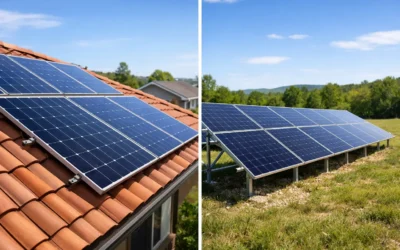
The best candidates for solar pool heating installation usually have strong sun exposure and enough unshaded area for collectors. South-facing roof space is often ideal, but it is not the only option. West-facing and east-facing placements can still work, and some properties use ground-mounted collectors when roof layout is limited.
Pool size matters too. A larger pool needs more collector surface area to deliver consistent results. So does wind exposure. A pool in an open, breezy area loses heat faster than a sheltered one, which can change the recommended system size.
This is where many buyers make a costly assumption. They think a solar pool system is either a fit or not a fit. In reality, there is a range. One property may support a system that maintains comfortable water most of the season. Another may need a larger collector array or a backup heater for shoulder months. The right question is not just, Can I install it? The better question is, What performance should I expect for this specific site?
What A Typical Installation Includes
A standard system usually includes solar collectors, mounting hardware, plumbing connections, control valves, sensors, and integration with the existing pool pump and filtration equipment. Some projects also involve pump upgrades if the current setup cannot support efficient circulation through the collectors.
The installation process often starts with a site assessment. The contractor reviews available mounting space, checks structural conditions if roof-mounted collectors are planned, and looks at the equipment pad to understand how the new system will tie into the existing pool equipment.
After design approval, the crew installs the collectors, runs plumbing lines, connects the controls, and tests the system. If the project is roof-mounted, they should also account for roof condition and attachment method. Putting a solar heating system on an aging roof can create avoidable headaches if the roof needs replacement soon after.
For commercial pools, apartment communities, schools, and hospitality properties, the process can be more involved. There may be larger arrays, more complex plumbing, and a stronger focus on operating schedules, maintenance access, and code compliance. That is why experience with your property type matters when comparing installers.
Cost Depends On More Than Panel Count
Pricing for solar pool heating installation varies based on collector size, equipment quality, roof complexity, plumbing distance, and labor conditions in your market. A simple residential project with easy access can look very different from a commercial installation with multiple pools or long plumbing runs.
The cheapest quote is not always the best value. A lower price may reflect smaller system sizing, lighter-duty components, or less attention to controls and installation details. On the other hand, the highest quote is not automatically the smartest investment either. You want a system sized for your goals, not a number padded with extras you do not need.
Ask what the proposal is designed to achieve. Is it meant to extend the season by a month or two, maintain a specific water temperature, or reduce reliance on a gas heater? That answer changes how you should read the price.
The Biggest Trade-Offs To Understand
Solar pool heating is appealing because operating costs are low, but performance depends on sunlight. That is the core trade-off. If you want highly predictable water temperature regardless of weather, a conventional heater may still play a role. If you want lower long-term heating costs and can accept some seasonal variability, solar becomes much more attractive.
Aesthetic preference can also be a factor. Some property owners do not mind roof-mounted collectors. Others want them out of sight and may need a ground-mounted solution, which can affect layout and cost.
There is also the question of timing. Installing during a pool build or major renovation is often simpler than retrofitting later, especially if equipment upgrades or plumbing changes are needed. But a retrofit can still be a strong investment when the existing pool is otherwise in good condition.
Choosing The Right Contractor Matters As Much As The Equipment
Even a well-designed system can underperform if installation quality is weak. That is why contractor selection should be treated as part of the investment, not an afterthought.
Look for an installer who can explain sizing clearly and who asks practical questions about how you use the pool. A good contractor will want to know your swim season, target temperature, exposure conditions, and whether you already use another heat source. They should also be comfortable discussing roof suitability, equipment compatibility, permit requirements, and expected maintenance.
If you are managing a commercial, agricultural, or public-sector property, ask about similar projects. A contractor who regularly handles residential work may not be the best match for a municipal pool, school facility, or hospitality site with larger operational demands.
This is where comparing multiple quotes saves time and reduces guesswork. Instead of relying on one sales pitch, you can see how different contractors size the system, price the work, and frame expected performance. Platforms like Solar Contractors help streamline that process by connecting property owners with professionals who understand different project types.
Questions Worth Asking Before You Sign
Before moving forward, ask how the system is sized, what kind of collector warranty is included, and whether your current pump and filter setup are adequate. Ask how the installer handles roof penetrations, what permits are required, and whether there are any seasonal limitations for installation in your area.
You should also ask what kind of temperature gain is realistic for your climate and pool size. Be cautious with broad promises. Reliable contractors usually talk in ranges and scenarios, because weather, pool covers, wind, and operating habits all affect results.
A pool cover, for example, can make a major difference. It reduces overnight heat loss and helps the solar system keep water temperatures more stable. In many cases, the best performance comes from pairing solar heating with basic heat-retention practices rather than expecting the collectors to overcome every source of heat loss on their own.
Residential And Commercial Buyers Have Different Priorities
Homeowners often focus on comfort, utility savings, and getting more use out of the pool. The question is usually whether the system can make swimming more enjoyable without creating another expensive monthly bill.
Commercial and institutional buyers tend to look harder at operating budgets, guest or user satisfaction, and long-term cost control. For a hotel, apartment complex, therapy pool, or community facility, solar pool heating can support lower energy costs while improving amenity value. Those buyers may also need more formal proposals, payback discussions, and coordination with facilities teams.
Neither approach is wrong. They just lead to different system designs and contractor expectations. That is why a one-size-fits-all quote is rarely the right answer.
When To Start The Process
The best time to plan solar pool heating installation is before peak swim season, not halfway through it. Early planning gives you time to compare bids, review system sizing, and schedule installation before contractor calendars tighten.
If you are still deciding, the smartest next move is simple: get a few qualified opinions based on your actual property, not generic averages. A short consultation can quickly tell you whether your roof or site works, what kind of performance to expect, and whether the numbers make sense for your goals.
A warm pool should not require guesswork or a heating bill you dread opening. If the sun already reaches your property, there is a good chance it can do more of the work than you think.