If you are paying to move water every day, irrigation is not just a farming task – it is an energy decision. That is why so many property owners and agricultural operators are asking the same question: what is solar irrigation, and can it actually lower long-term operating costs?
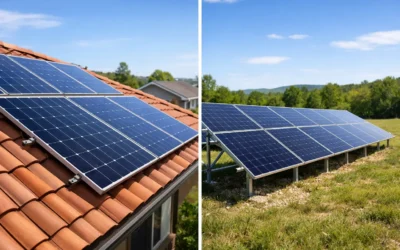
Solar irrigation is a system that uses solar power to run water pumps for agricultural fields, livestock operations, landscaping, and other properties that need regular water delivery. Instead of depending entirely on grid electricity or diesel fuel, a solar irrigation setup uses photovoltaic panels to generate electricity and power a pump that moves water from a well, pond, canal, storage tank, or other source to where it is needed.
That basic idea is simple. The value comes from what it can replace: recurring fuel costs, volatile utility bills, and the maintenance headaches that often come with conventional pumping systems.
What Is Solar Irrigation and How Does It Work?
A solar irrigation system turns sunlight into electricity and uses that electricity to operate a pump. In most setups, the solar panels feed power directly to an electric pump during daylight hours. Some systems also include batteries or water storage so water can be delivered later, even when the sun is not out.
In practical terms, the system usually includes solar panels, a pump, a controller or inverter, piping, and a water source. The controller helps manage how power flows from the panels to the pump. If the system uses AC equipment, an inverter converts the electricity. If it uses a DC pump, the design can be simpler and more efficient in some cases.
Once the pump is running, water is lifted and sent through irrigation lines, sprinklers, drip systems, or storage tanks. On sunny days, output is often strongest when irrigation demand is also high, which makes solar a natural fit for many agricultural and landscape applications.
Why Solar Irrigation Appeals to Property Owners
The strongest case for solar irrigation is usually financial. If your current system depends on diesel, propane, or expensive utility power, solar can reduce the cost of pumping water over time. That matters on farms with daily irrigation needs, but it can also matter for commercial landscapes, sports fields, rural residential properties, and institutional sites.
There is also a reliability argument. In remote areas, getting grid power to a pump site can be expensive, slow, or impractical. Solar can make more sense when the alternative is trenching electrical service over long distances or storing fuel on-site. For some properties, the savings from avoiding utility extension costs are as important as the energy savings themselves.
Then there is maintenance. Solar-powered pumping systems generally have fewer moving parts than engine-driven systems. That does not mean they are maintenance-free, but it can mean less routine service, fewer fuel-related issues, and less downtime caused by mechanical wear.
Where Solar Irrigation Makes the Most Sense
Solar irrigation is often associated with crop production, but the use cases are broader than many buyers expect. Farms are a natural fit, especially for drip irrigation, row crops, orchards, vineyards, and pasture watering. Livestock operations also use solar pumping to move water to troughs and remote grazing areas.
Beyond agriculture, solar irrigation can work well for golf courses, parks, schools, commercial landscapes, and public facilities with regular outdoor water demand. Large residential properties and estates sometimes use it too, particularly when irrigation zones are far from the main utility connection.
The best candidates usually share a few traits: strong sun exposure, predictable water demand, and a pump location where utility power is costly or inconvenient. If your property checks those boxes, solar becomes worth a closer look.
The Main Benefits of Solar Irrigation
Cost control is the headline benefit, but not the only one. Solar irrigation can help reduce monthly operating expenses, especially in regions with high electric rates or high fuel costs. Over time, those savings can improve the return on investment, particularly on properties that pump water frequently.
It can also support energy independence. Instead of being tied completely to fuel deliveries or changing utility pricing, you generate power on-site. For agricultural operators and facilities managers, that kind of predictability has real value.
There is a sustainability benefit too, and for many buyers that matters alongside the economics. Replacing diesel-powered pumping with solar can lower emissions and reduce noise. On farms, public sites, and commercial properties, that can support broader environmental goals without sacrificing function.
Property value and long-term infrastructure value may improve as well. A well-designed irrigation energy system can make a property more efficient and potentially more attractive to future buyers or operators, especially if irrigation is central to the property’s use.
The Trade-Offs to Understand Before You Install
Solar irrigation is not a one-size-fits-all solution. The biggest trade-off is that solar production depends on available sunlight. If your irrigation needs peak at times when solar output is limited, the system may need batteries, backup power, or larger water storage capacity. Each of those adds cost.
Upfront investment is another factor. While solar can reduce operating expenses, the system still requires capital for panels, mounting, controls, pumps, wiring, and installation. Incentives may help in some cases, but buyers should still evaluate total project cost against expected savings.
Water demand matters too. If your property needs very high flow rates, deep pumping, or nonstop overnight irrigation, the design becomes more complex. Solar can still work, but the economics may shift depending on whether you need storage tanks, hybrid power, or grid interconnection.
Site conditions also matter more than people expect. Shade, panel orientation, distance from the water source, elevation changes, and existing irrigation infrastructure all affect system performance and price.
Solar Irrigation vs. Traditional Pumping
Compared with diesel pumping, solar irrigation usually offers lower ongoing fuel and maintenance costs. Diesel systems may still make sense where portability is needed or where irrigation demand is occasional rather than frequent, but for regular use, fuel expenses can add up fast.
Compared with grid-powered pumping, solar is often most attractive when utility service is expensive or unavailable. If a site already has low-cost electricity and the pump load is modest, the savings case may be less dramatic. But if the utility company would need major infrastructure work to reach the site, solar can quickly become the better option.
In many real-world projects, the decision is not strictly solar or traditional. Hybrid systems can combine solar with grid power, generators, or storage to balance cost and reliability.
What to Ask Before Choosing a System
A good installer will not start with panel count. They will start with your water demand, pump requirements, and site conditions. That means looking at how much water you need per day, where that water comes from, how far it must travel, and how much elevation the pump has to overcome.
You should also ask whether the system is designed for direct pumping, battery backup, or water storage. In many cases, storing water in a tank is more economical than storing electricity in batteries. That design choice can have a big effect on project cost and long-term performance.
It also makes sense to ask about incentives, equipment warranties, and maintenance expectations. Agricultural and commercial buyers should look at the full financial picture, including avoided utility extension costs, reduced fuel expenses, and the expected payback period.
Most important, work with a contractor who understands your property type. A solar irrigation system for a livestock operation is not designed the same way as one for a school campus or a commercial landscape. Specialized experience matters.
Is Solar Irrigation Right for You?
If you are trying to cut pumping costs, improve reliability in a remote area, or reduce dependence on diesel or utility power, solar irrigation deserves serious consideration. It is especially compelling for farms, ranches, commercial properties, and public sites with regular daytime water demand.
Still, the right answer depends on your site, your water schedule, and your budget. The best projects are based on actual pumping data, not assumptions. That is why it helps to compare options and talk with contractors who can size a system around your property instead of selling a generic package.
If you are evaluating irrigation upgrades, this is the point to get real numbers. Solar Contractors can help you Find A Contractor and request a Free Consultation so you can compare qualified professionals, review system options, and see what solar irrigation could look like on your property.
A smart irrigation system does more than move water. It can lower operating costs, strengthen long-term property value, and give you more control over one of the most essential parts of your operation.